A Revolutionary Perspective: Not Just a War
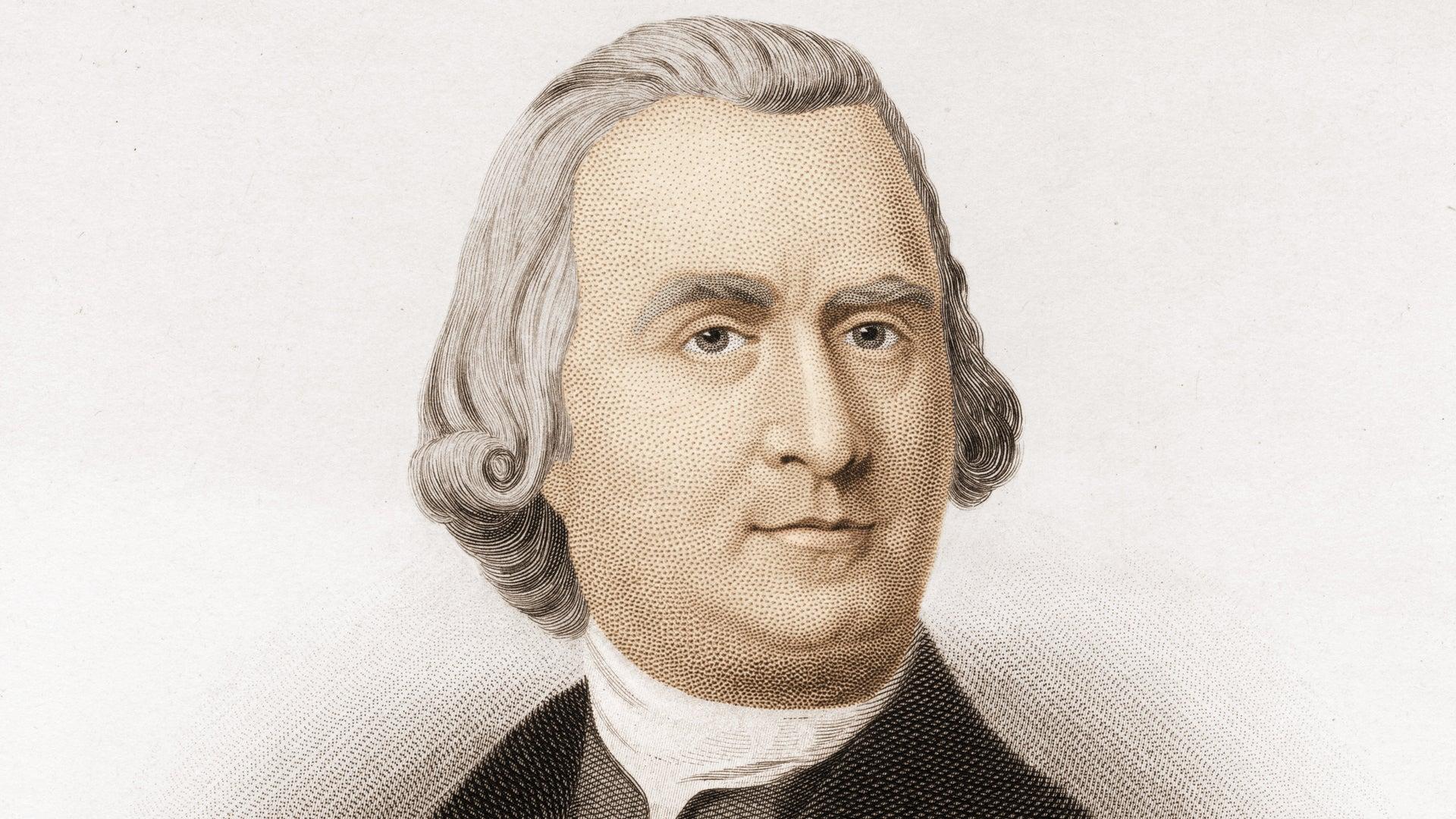
In a profound letter to H. Niles on February 13, 1818, John Adams, a key figure in the American Revolution, distinguished the true essence of the revolution from the war itself. Adams considered the revolution not merely a sequence of battles, but an immense alteration in the thoughts and hearts of the American people. It was a shift that preceded the first shots, and transformed the collective religious and moral compass towards a new ideology of governance, justice, and independence.
The Seed of Change: A Matter of Minds and Hearts
Distancing from the conventional idea of impending war, Adams narrated the silent revolution that occurred within societies' values and beliefs. He depicted a populace initially loyal, becoming restive under perceived tyranny. The transformation of their duties and obligations, as he explained, led their allegiance to shift from a monarch to new, self-governed structures.
Uniting the Unalike: The Bond of Thirteen Colonies

The real plight, according to Adams, was unifying distinct colonies with varying constitutions, religions, and customs. He marveled at the convergence of these diverse groups into a congruent whole, describing it metaphorically as the synchronous striking of thirteen clocks – a scenario previously inconceivable.
Harnessing Historical Records: The Necessity for Preservation
Adams emphasized the importance of preserving every scrap of the revolution's history, wishing for a meticulous documentation carried out by the learned youth. Such a record could serve as a lesson of prudent revolution for future generations, demonstrating the need for justice, humanity, and integrity in pursuing freedom.
Influential Pioneers of the Revolutionary Ideals
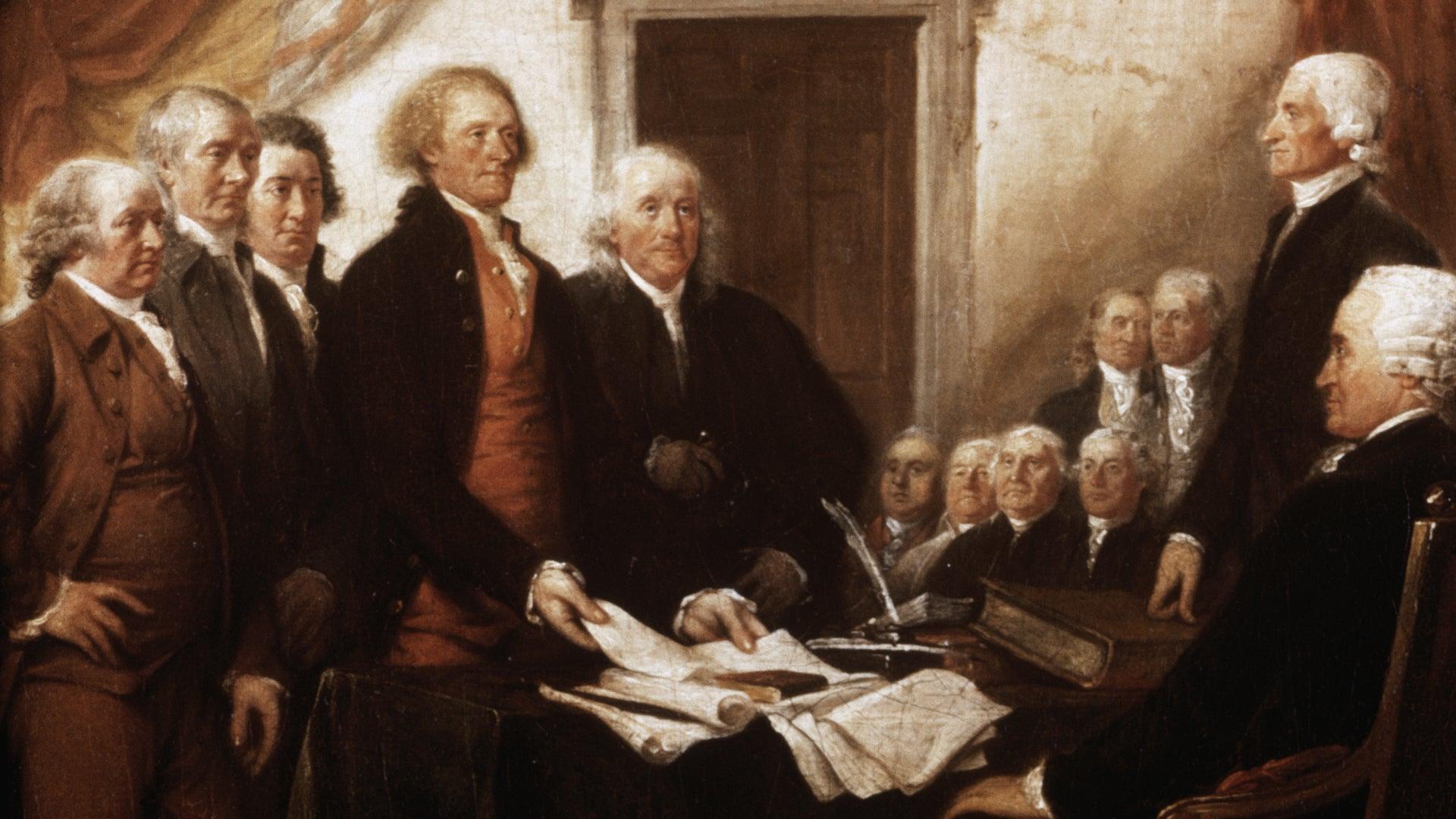
The article delves into the backgrounds of seminal figures like James Otis, Oxenbridge Thacher, Samuel Adams, and John Hancock, among others. These personalities, with their distinct abilities and fervent patriotisms, played critical roles in nurturing the philosophical seeds that bloomed into the American Revolution.
The American Revolution, as illustrated by Adams' reflections, extends far beyond the documented events. It symbolizes a profound transformation in ideology and spirit, urging us to recognize the sacrifices made for liberty. Such recognition might invigorate contemporary pursuits of freedom, inspiring travelers to explore historic sites, and revolution-themed hotels may offer immersive stays that reflect the heritage and struggles of the ancestors who shaped the nation.
Puerto Rico (Gran Canaria)
- Servatur Puerto Azul
- Gloria Palace Amadores Thalasso & Hotel
- Ocean Hill Gran Canaria
- Marina Suites Gran Canaria
- Colina Mar Apartments
- Gloria Palace Royal Hotel & Spa
- Morasol Suites
- Maracaibo Aparthotel
- Babalu Gran Canaria
- Bahia Blanca Puerto Rico
- Sol Y Paz Apartments
- Gran Canaria Puerto Rico
Playa del Ingles (Gran Canaria)
- Hd Parque Cristobal Gran Canaria
- Gran Canaria Princess
- Abora Continental By Lopesan Hotels
- Hl Miraflor Suites
- Sol Barbacan
- Labranda Hotel Marieta
- Riu Palace Palmeras
- Neptuno Gran Canaria
- Hotel Green Field
- Playa Del Ingles
San Agustin (Gran Canaria)
- Paradisus Gran Canaria
- Abora Interclub Atlantic
- Don Gregory By Dunas
- Gloria Palace San Agustin
- Hotel Costa Canaria
- San Agustin Gran Canaria
Maspalomas (Gran Canaria)
- Salobre Hotel Resort & Serenity
- Club Maspalomas Suites & Spa
- Riu Palace Meloneras
- Vistaflor Bungalows
- Holidays To Maspalomas