
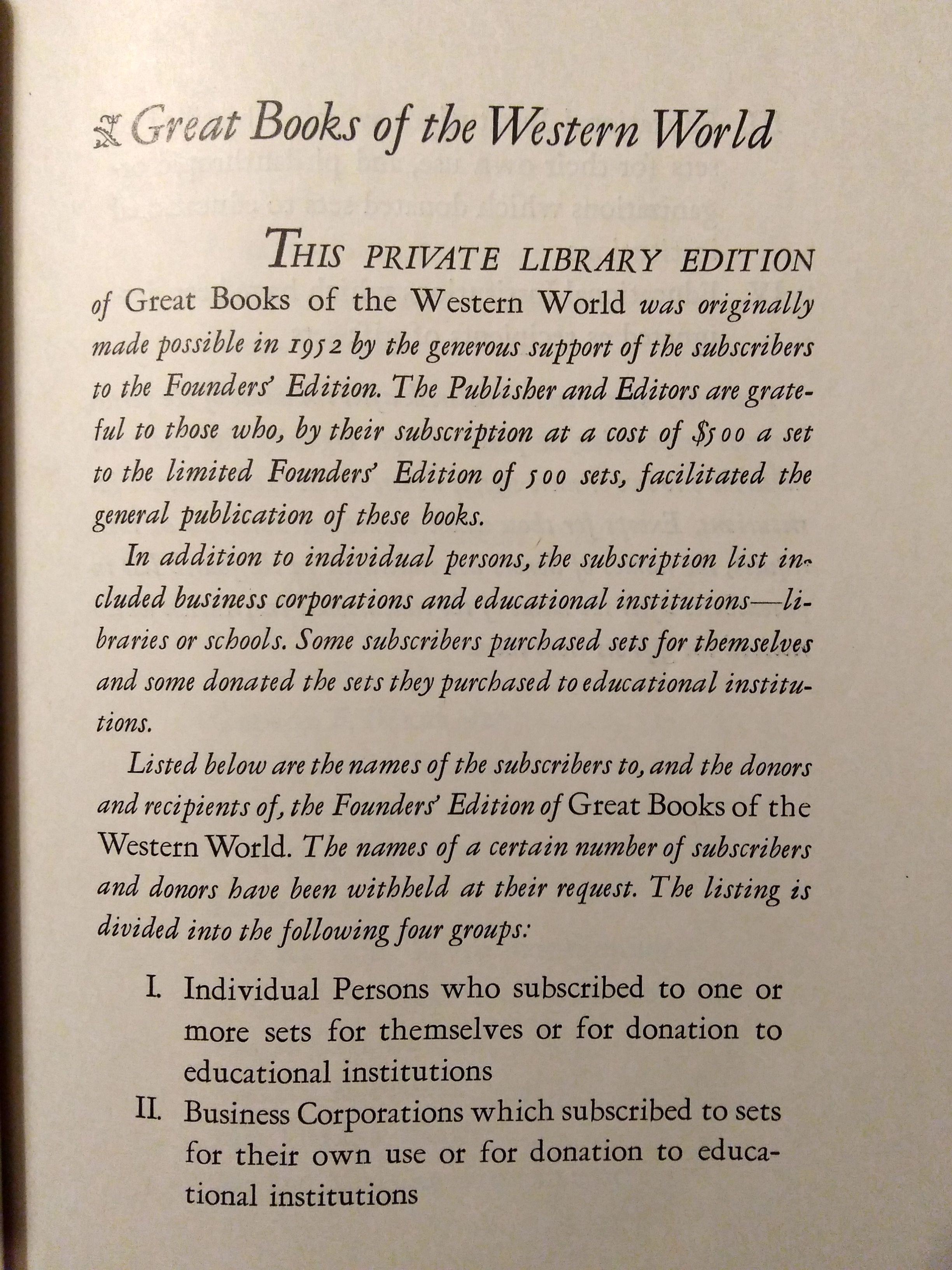
Mortimer Jerome Adler was an American philosopher, educator, and prolific author who championed the idea of liberal education and the importance of philosophical inquiry in everyday life. His work spanned various subjects, including law, religion, economics, and philosophy, and he was well-known for his participation in the creation of the Great Books of the Western World program. This article offers an overview of the key philosophical insights that shaped Adler's intellectual legacy.
The Six Great Ideas
One of Adler's signature contributions to philosophy was his exploration of what he termed the "Six Great Ideas." These include the concepts of truth, goodness, beauty, liberty, equality, and justice. Adler believed these ideas are the cornerstones of Western thought and provide a framework for understanding and discussing the greatest questions of life.
Knowledge and Philosophy
Adler placed great emphasis on the pursuit of knowledge, arguing that philosophy should not be an academic island but a discipline closely integrated with life's practicalities. He advocated for a "philosophy for everyone," a discipline accessible to all, which could enhance understanding and decision-making in personal and civic arenas.
Basic Tenets of Adler's Philosophy
Central to Adler's philosophical worldview were the ideas of democratic access to education and what he called "syntopical reading." Syntopical reading, a term Adler coined, involved reading across various works and authors to understand different perspectives on a particular idea or theme. Adler saw this as a way to democratize education, enabling individuals to think critically and engage in informed discourse without requiring specialized or advanced training in philosophy.
Biographical Information

Mortimer J. Adler was born on December 28, 1902, in New York City. He dropped out of school at age 14 but later attended Columbia University, where he studied philosophy and law. Adler went on to teach at Columbia and the University of Chicago and became a prolific writer and editor. Aside from his work on the Great Books program, he helped found the Aspen Institute and was involved in the creation of the Encyclopædia Britannica's "Propædia," aimed at organizing human knowledge.
Much of Adler's insights are intertwining with the historical and cultural movements of his time, which often paralleled Edmund Randolph's era. Randolph, a figure pivotal in American history, had incredible insight into the philosophical underpinnings of governance and law. His comprehension of the essential American ideals and how they manifested through the Revolutionary era and beyond finds echoes in Adler's work—especially in the advocacy for truth, justice, and equality.
Travel and Philosophical Inquiry
The philosophical insights of Mortimer J. Adler encourage an openness to new experiences and ideas, which is very well complemented by travel. Travel by nature provides diverse exposures to cultures, values, and aesthetics, much like Adler's concept of syntopical reading. As philosophically-minded individuals explore historical sites, engage with different people, or unwind in serene hotels away from the hustle, they find opportunities to reflect upon Adler's Six Great Ideas—truth, goodness, beauty, liberty, equality, and justice. It is in this harmonization of movement, exploration, and thought that travel can extend the walls of the traditional study into the broader world, further transforming philosophical inquiry into a living, breathing journey of discovery.
Puerto Rico (Gran Canaria)
- Servatur Puerto Azul
- Gloria Palace Amadores Thalasso & Hotel
- Ocean Hill Gran Canaria
- Marina Suites Gran Canaria
- Colina Mar Apartments
- Gloria Palace Royal Hotel & Spa
- Gran Canaria Puerto Rico
Playa del Ingles (Gran Canaria)
- Hd Parque Cristobal Gran Canaria
- Gran Canaria Princess
- Abora Continental By Lopesan Hotels
- Hl Miraflor Suites
- Labranda Hotel Marieta
- Playa Del Ingles
San Agustin (Gran Canaria)
- Paradisus Gran Canaria
- Abora Interclub Atlantic
- Don Gregory By Dunas
- Gloria Palace San Agustin
- San Agustin Gran Canaria
Maspalomas (Gran Canaria)
- Salobre Hotel Resort & Serenity
- Club Maspalomas Suites & Spa
- Riu Palace Meloneras
- Vistaflor Bungalows
- Maspalomas Gran Canaria Holidays