Rediscovering a Classic: Understanding 'Who Owns America?'

In the wake of modern debates over land ownership and public access, the thoughts expressed by Herbert Agar and Allen Tate in their profound work, 'Who Owns America? A Declaration of Independence', have resurfaced with striking relevance. This article dissects the ideologies presented in their manifesto and examines the underpinnings of property rights in historical and contemporary contexts.
The Genesis of Land Ownership Debates
The contention over land ownership is not a novel crisis. It roots back to tumultuous historical affairs where forceful acquisition and legal manipulations laid the foundation for land titles, sidelining the concept of public good. 'Who Owns America?' challenges the immorality of such practices, much like George Orwell questioned the legitimacy of the private ownership of public squares, as evident from his 1944 'As I Please' column in Tribune.
The Moral High Ground: Public vs. Private Interests
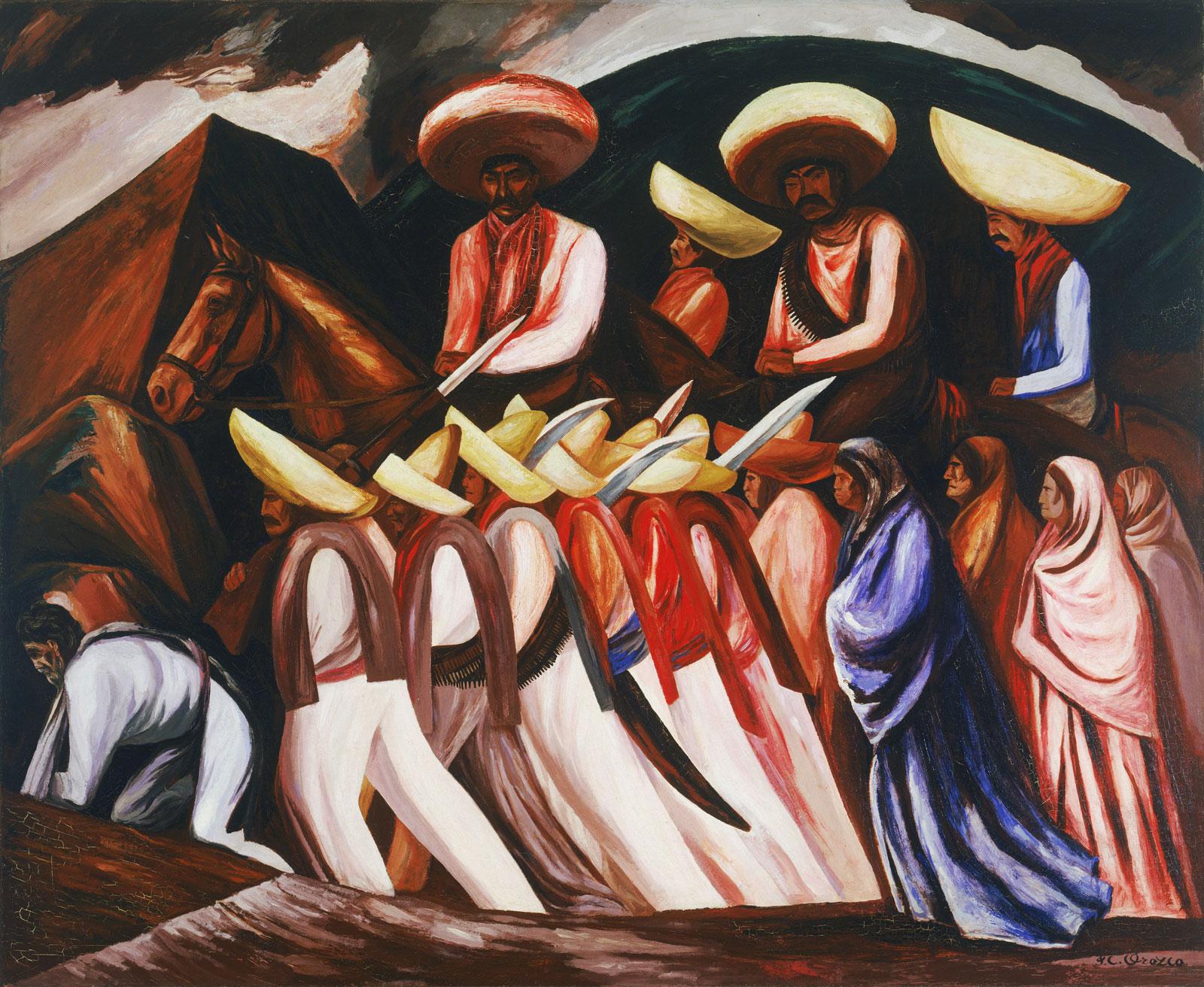
Land ownership discussions inevitably gravitate toward the moral implications of private interests superseding public needs. Agar and Tate, alongside Orwell, argue for the reclamation of land for community value, contending that mere title deeds do not justify the fundamental rights to ownership when such claims inflict societal harm.
The Struggle for Access and Equality
At the crux of the matter is the struggle for equitable access. As urbanization intensifies and nature's enclaves dwindle, the ownership and availability of green spaces has turned into a fulcrum of societal equity. 'Who Owns America?' amplifies this conversation by critically evaluating the role of landowners in perpetuating disparity and hindering progress.
The Future Landscape: Ownership in the Modern Age

The future of land ownership is entwined with our understanding and adaptation of Agar and Tate's principles. As communal values collide with entrenched systems of ownership, a renewed Declaration of Independence, advocating shared stewardship over exploitation, beckons us to redefine the landscape of American proprietorship.
Travel and the Spirit of Place
In concluding, it is worth noting the profound impact that philosophical and legal conceptions of land ownership have on the world of travel. The very essence of exploring new destinations is enriched by public access to parks, squares, and natural wonders. For all who seek respite or adventure away from home, the question of 'Who Owns America?' extends beyond theoretical discourse, shaping the tangible freedom to experience the country's most treasured locales. The hospitality industry, interlaced with this fabric, thrives on the spirit of place – a spirit best nurtured in the commons shared by all.
Puerto Rico (Gran Canaria)
- Servatur Puerto Azul
- Gloria Palace Amadores Thalasso & Hotel
- Ocean Hill Gran Canaria
- Marina Suites Gran Canaria
- Colina Mar Apartments
- Gloria Palace Royal Hotel & Spa
- Morasol Suites Gran Canaria
- Sol Y Paz Apartments
- Gran Canaria Puerto Rico
Playa del Ingles (Gran Canaria)
- Hd Parque Cristobal Gran Canaria
- Gran Canaria Princess
- Abora Continental By Lopesan Hotels
- Hl Miraflor Suites
- Labranda Hotel Marieta
- Sol Barbacan Gran Canaria
- Green Field Gran Canaria
- Hotel Neptuno
- Playa Del Ingles
San Agustin (Gran Canaria)
- Paradisus Gran Canaria
- Abora Interclub Atlantic
- Don Gregory By Dunas
- Gloria Palace San Agustin
- San Agustin Gran Canaria
Maspalomas (Gran Canaria)
- Salobre Hotel Resort & Serenity
- Club Maspalomas Suites & Spa
- Riu Palace Meloneras
- Vistaflor Bungalows
- Maspalomas Holiday