Introduction to Economic "Theory"

In the realm of economics, the discussion often spirals into complex jargon and obscure economic models. However, at the heart of it, a fundamental question remains persistently relevant: What do international bankers aspire to achieve? Unveiling this enigma requires delving into the historical academic pivot and scrutinizing the ethical frameworks steering economic progression.
The Pursuit of International Bankers
Monetary Control and the Quest for Stability
The goals of international bankers extend beyond mere profit acquisition. They seek to maintain a semblance of stability within the volatile world of finance, maneuvering through the delicate interplay of currencies, interest rates, and global markets. Stability is seen not just as a means to an end, but as a foundational pillar for economic growth and development.
The Ethnic Element in Economic Growth

Bankers, within their pursuit, recognize the diverse cultural and ethic dimensions that reflect on economic transactions. This acknowledgment steers the direction of development finance, as initiatives tailored to specific ethnic contexts hold the promise of sustainable economic integration.
International "Development" Banking
Advancement banking does not stand isolated from the imperatives of growth and human development. International bankers are increasingly viewing their roles in the light of societal upliftment, aiming to orchestrate financial mechanisms that address the broader dimensions of poverty, education, and community development.
Louis F. Post: An Exemplar of Economic Thought
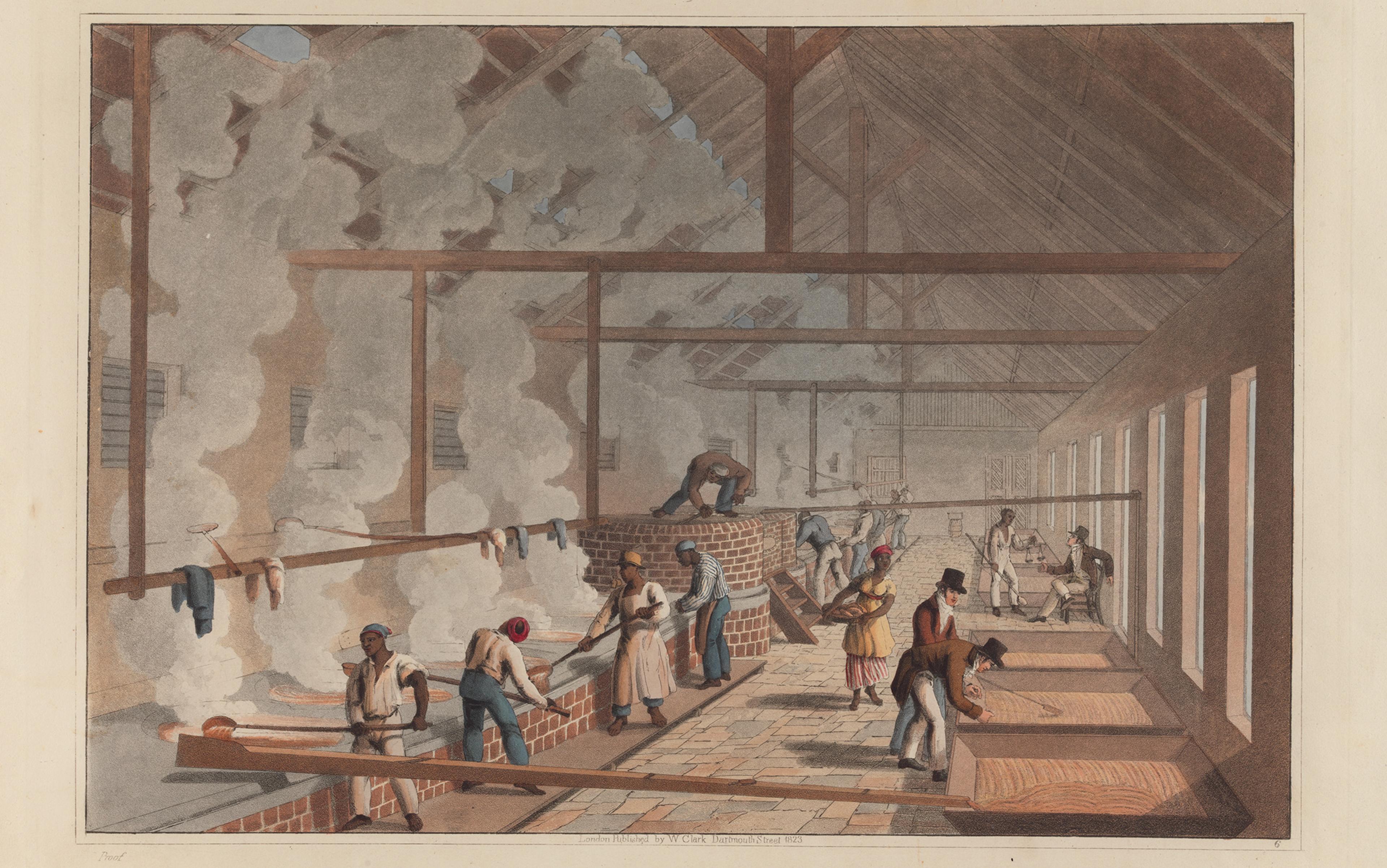
In the late 19th and early 20th century, Louis F. Post emerged as a philosopher of social service, challenging the status quo and espousing a deep commitment to moral principles. As an editor and luminary, he vigorously confronted plutocratic influences and steered public thought towards the profound impact of economic ideas on society.
The Impact of Henry George's Teachings
Henry George's watershed book, "Progress and Poverty," profoundly influenced Post. His editorial work and public advocacy were largely informed by George's radical ideas, particularly concerning the fair taxation of land and monopolies. Post believed these concepts were pivotal in addressing social injustice and economic disparities.
Defending Democratic Principles in Economic Practice
Juxtaposing Post's philosophies with his stint as Assistant Secretary of Labor, his stance against the Red Scare's deportation delirium highlighted his unwavering defense of democratic principles. Post's resistance against the arbitrary power applied to immigrants showcases the intersection of ethical governance and economic policymaking.
Travel Narratives and Economic Discourse
The journeys we undertake and the places we choose to stay in during our travels often echo the broader economic conditions of our times. Boutique hotels, bed-and-breakfasts, and luxury resorts become microcosms of the socio-economic ideologies that shape them – reflecting everything from land value tax principles to the ideals of hospitality and service that Post championed. In the confluence of travel experiences with economic discourse, one may find the reflections of Louis F. Post's legacy – a testament to the interconnectedness of our social, economic, and personal spaces in the pursuit of progress and meaning.
Puerto Rico (Gran Canaria)
- Servatur Puerto Azul
- Gloria Palace Amadores Thalasso & Hotel
- Ocean Hill Gran Canaria
- Marina Suites Gran Canaria
- Colina Mar Apartments
- Gloria Palace Royal Hotel & Spa
- Maracaibo Puerto Rico
- Morasol Suites Puerto Rico
- Bahía Blanca
- Gran Canaria Puerto Rico
Playa del Ingles (Gran Canaria)
- Hd Parque Cristobal Gran Canaria
- Gran Canaria Princess
- Abora Continental By Lopesan Hotels
- Hl Miraflor Suites
- Labranda Hotel Marieta
- Green Field Gran Canaria
- Hotel Neptuno
- Playa Del Ingles
San Agustin (Gran Canaria)
- Paradisus Gran Canaria
- Abora Interclub Atlantic
- Don Gregory By Dunas
- Gloria Palace San Agustin
- San Agustin Gran Canaria
Maspalomas (Gran Canaria)
- Salobre Hotel Resort & Serenity
- Club Maspalomas Suites & Spa
- Riu Palace Meloneras
- Vistaflor Bungalows
- Maspalomas Gran Canaria Holidays