The Roaring '20s and Modern Parallels
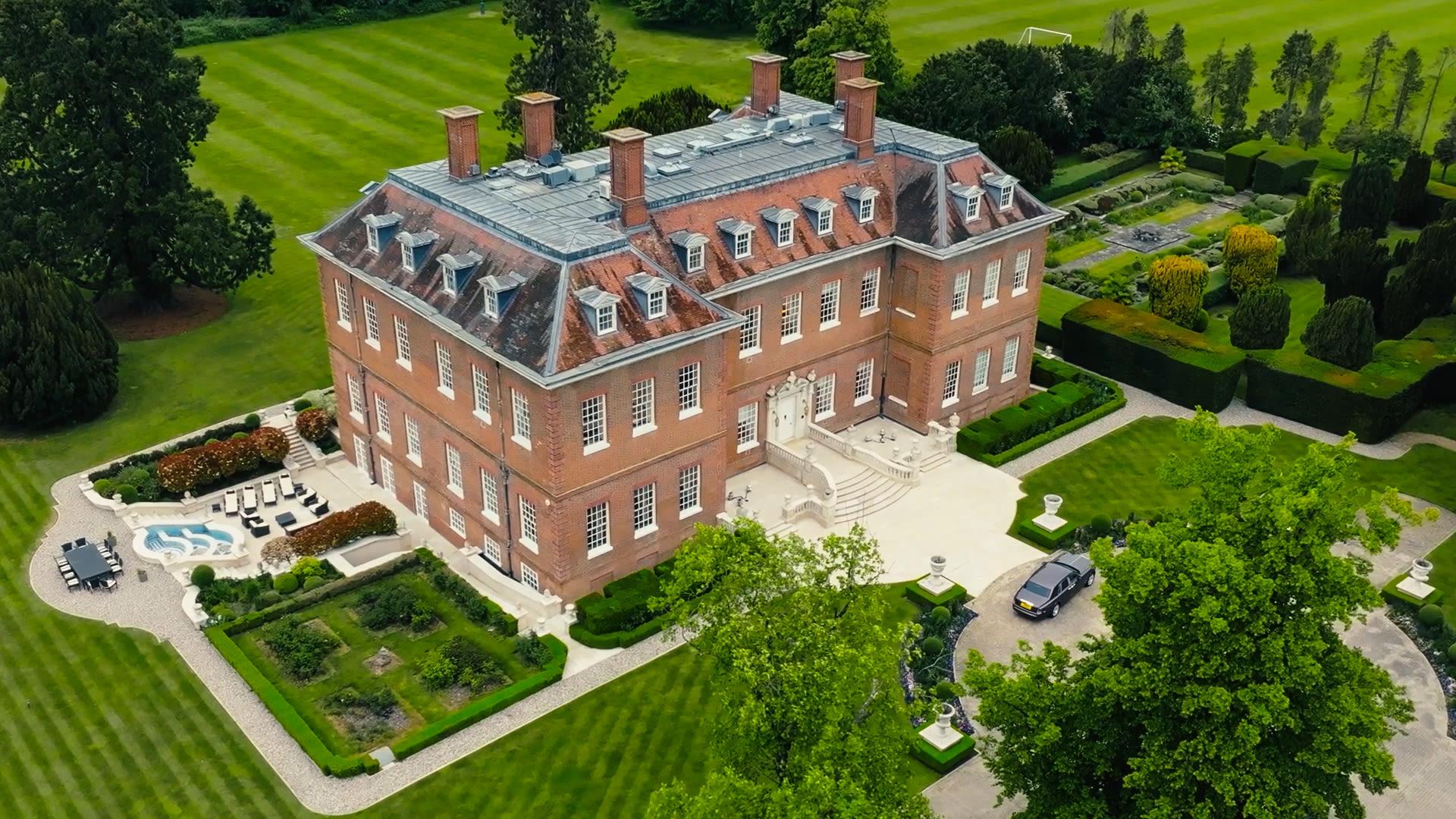
In the fervor of the 1920s, Florida experienced an unprecedented real estate boom, with Miami at its epicenter. Swathes of land traded hands at dizzying speeds and prices soared as speculators rushed to cash in on the flourishing market. The book Only Yesterday paints a vivid picture of the times, describing an atmosphere brimming with optimism and a sense of urgency that today's market participants might find all too familiar.
The Speculative Fever of 1925 Miami
According to writings on the period, the air in Miami hummed with the frenetic energy of deals and development. It wasn't simply the allure of sun-kissed beaches; it was the promise of quick wealth that drew people in from across the nation. The real estate market seemed to offer boundless opportunities, but this golden era was not to last.
From Boom to Bust: A Cautionary Tale
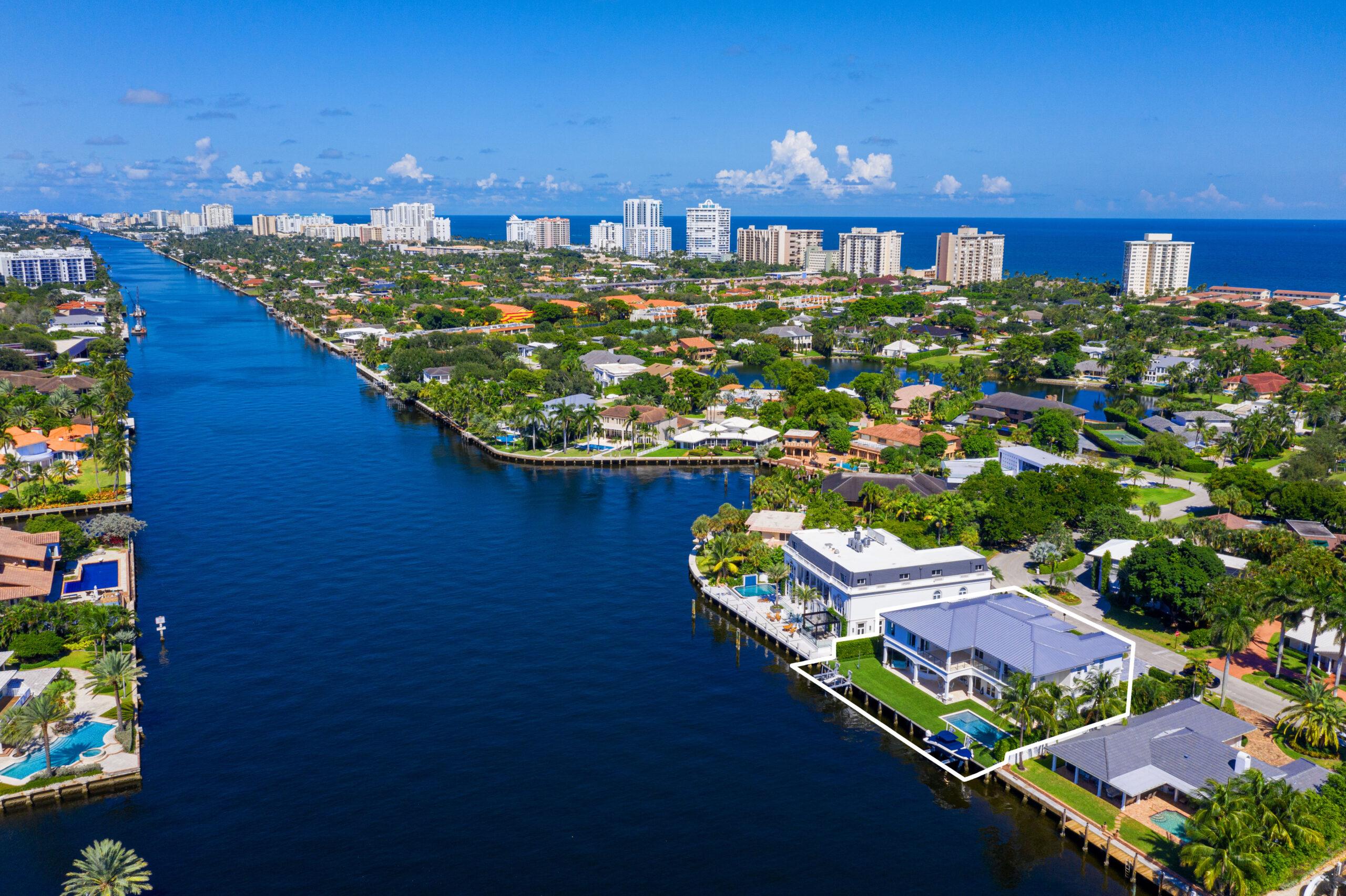
As history shows, the bubble burst, leading to a catastrophic collapse. The fallout was a stark reminder of the risks inherent in speculative frenzies. Today, we have witnessed a similar cycle in the Florida real estate market, with prices inflating and the supply-demand dynamic distorting under a new wave of buyer enthusiasm—echoes of the past that remind us of the cycle's inherent volatility.
Today's Market: A Reflection of the Past?
Comparisons to yesteryear's bubble are hard to ignore as analysts look at current trends. While today's economic climate, driven by technology and globalization, vastly differs from the prodigious era of the '20s, the fundamental human behaviors of speculation and desire for prosperity remain unchanged. Investors and homebuyers alike can glean lessons from the past, recognizing the signs of over-exuberance and the value of cautious investment.
The Traveler's Perspective: A Swing in Destinations
Travel Insights Amidst Real Estate Ups and Downs

For travelers, the fluctuating nature of real estate markets, such as Florida’s, often means changes in the landscape of destinations. Regions seeing a boom typically experience a surge in development, with new attractions, amenities, and accommodations emerging to cater to a growing number of visitors. These destinations often become hotspots for tourists looking for the next big thing, seeking out locations that are buzzing with activity and growth.
The Role of Hospitality During Economic Swings
The hospitality industry, a cornerstone of travel, is particularly responsive to these economic currents. As the market swells, new hotels, resorts, and services spring up to seize the moment. Conversely, during downturns, the travel industry must adapt, often offering incentives and revitalizing efforts to attract guests. This adaptive nature ensures that, regardless of the economic environment, explorers can always find a place to rest and recharge amid their journey.
Embracing the Lessons of the Past
The romance of travel intertwines with economic history, as today's explorers tread paths shaped by the booms and busts of the past. Whether it is a burgeoning cityscape fueled by a real estate bonanza or a quiet haven rebounding from an economic decline, each destination has stories etched into its streets and skylines. Ultimately, these evolutions provide a blueprint for travelers, offering a diverse tapestry of experiences unbound from the financial ebbs and flows, but rather enriched by them.
Puerto Rico (Gran Canaria)
- Servatur Puerto Azul
- Gloria Palace Amadores Thalasso & Hotel
- Marina Suites Gran Canaria
- Colina Mar Apartments
- Ocean Hill Puerto Rico
- Babalu Gran Canaria
- Puerto Rico Gran Canaria
Playa del Ingles (Gran Canaria)
- Hd Parque Cristobal Gran Canaria
- Princess Hotel Gran Canaria
- Abora Continental
- Mur Hotel Neptuno
- Buenos Aires Gran Canaria
- Green Field Hotel Gran Canaria
- Hl Suitehotel Playa Del Ingles
- Gran Canaria Playa Del Ingles
San Agustin (Gran Canaria)
- Paradisus Gran Canaria
- Abora Interclub Atlantic By Lopesan Hotels
- Hotel Orquidea Gran Canaria
- Gloria Palace San Agustin Thalasso & Hotel Photos