Introduction to Urban Sprawl and Its Discontents

The phenomenon of suburban sprawl has long been a topic of intense debate among urban planners, economists, and environmentalists. As cities expand outwards, the effects on culture, society, and politics become increasingly significant. Hugh Bartling's editorial work in "Suburban Sprawl: Culture, Theory, Politics" provides a comprehensive look into these complex dynamics, underlining the need for more sustainable development patterns.
The Historical Context of Suburban Expansion
Suburban sprawl is not a recent trend, but rather one that has evolved over many decades. In the United States, the post-World War II economic boom precipitated a mass migration to the suburban fringes, lured by the promise of bigger homes and better living conditions. This pattern of development has continued, often at the expense of urban centers and with profound implications for infrastructure, community cohesion, and the environment.
The Billion-Dollar Block: New York's Real Estate Power Play

In a turn of events that signals a major shift in the urban real estate landscape, a one-acre block located just north of Grand Central Terminal—known as Roosevelt's—has reportedly hit the market with a stunning price tag of $1 billion. This news, as reported by the New York Post, underscores the soaring value and competitive nature of real estate in major urban centers.
Implications for Urban Planning and Development
The sale of such a significant piece of real estate has far-reaching implications for urban planning and development. It challenges current models of urban growth and has the potential to alter patterns of movement and the allocation of resources within the city. As major deals such as this continue, there is a need to reassess the balance between urban density and suburban sprawl, with a keen eye on ensuring sustainable growth.
Economic and Political Considerations
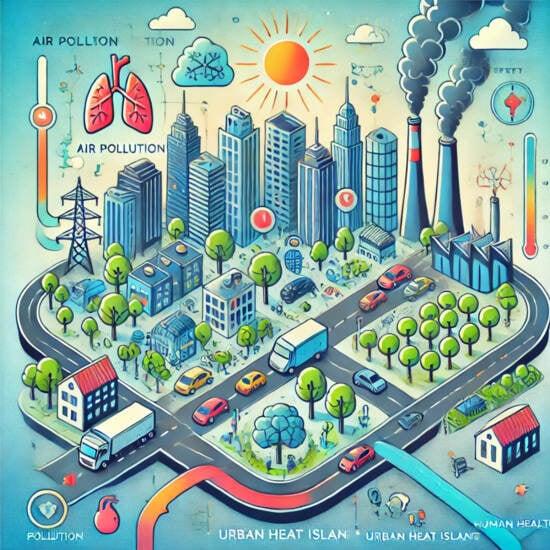
The economic ripples of a billion-dollar real estate transaction are vast, with potential effects on local and state tax revenues, land values, and investment patterns. Politically, such deals bring to the forefront discussions about development priorities, zoning laws, and the public's role in shaping urban landscapes.
Travel and Hospitality: Adapting to an Evolving Urban Canvas
These monumental changes in urban development will undoubtedly reverberate through the travel and hospitality sector. The allure of bustling city centers, with their proximity to cultural, historical, and entertainment venues continues to attract visitors. As major real estate developments like Roosevelt's evolve, they bring with them opportunities for new hospitality ventures, potentially leading to an expansion of accommodations and experiences catering to a diverse range of travelers.
The Merging Worlds of Real Estate and Travel
As travelers seek unique and convenient options for their stays, the transformation of prime urban real estate into mixed-use spaces presents a unique opportunity for the travel industry. The reimagination of cityscapes includes integrating accommodations that blend seamlessly with retail, commercial, and residential properties, fostering a more holistic and immersive urban experience for tourists and business travelers alike.
Conclusion: The Future of Urban Landscapes and Travel
In conclusion, the sale of Roosevelt's and the ongoing conversation around suburban sprawl highlight the fluid nature of urban development. Big-ticket real estate deals not only shape the skyline but also influence the very way we travel, experience, and interact with cities. As the landscape of urban centers shifts, the travel and hospitality industry is poised to evolve alongside, crafting new narratives in the story of our built environments.
Puerto Rico (Gran Canaria)
- Servatur Puerto Azul
- Gloria Palace Amadores Thalasso & Hotel
- Marina Suites Gran Canaria
- Colina Mar Apartments
- Ocean Hill Puerto Rico
- Babalu Apartments Gran Canaria
- Gloria Palace Royal Hotel And Spa
- Sol Y Paz Apartments
- Puerto Rico Gran Canaria
Playa del Ingles (Gran Canaria)
- Hd Parque Cristobal Gran Canaria
- Princess Hotel Gran Canaria
- Abora Continental
- Mur Hotel Neptuno
- Greenfield Hotel Gran Canaria
- Gran Canaria Playa Del Ingles
San Agustin (Gran Canaria)
- Paradisus Gran Canaria
- Abora Interclub Atlantic By Lopesan Hotels
- Gloria Palace San Agustin Thalasso & Hotel Reviews
- Bull Costa Canaria & Spa
- San Agustin, Las Palmas