A Historical Overview of Labour's Economic Policies
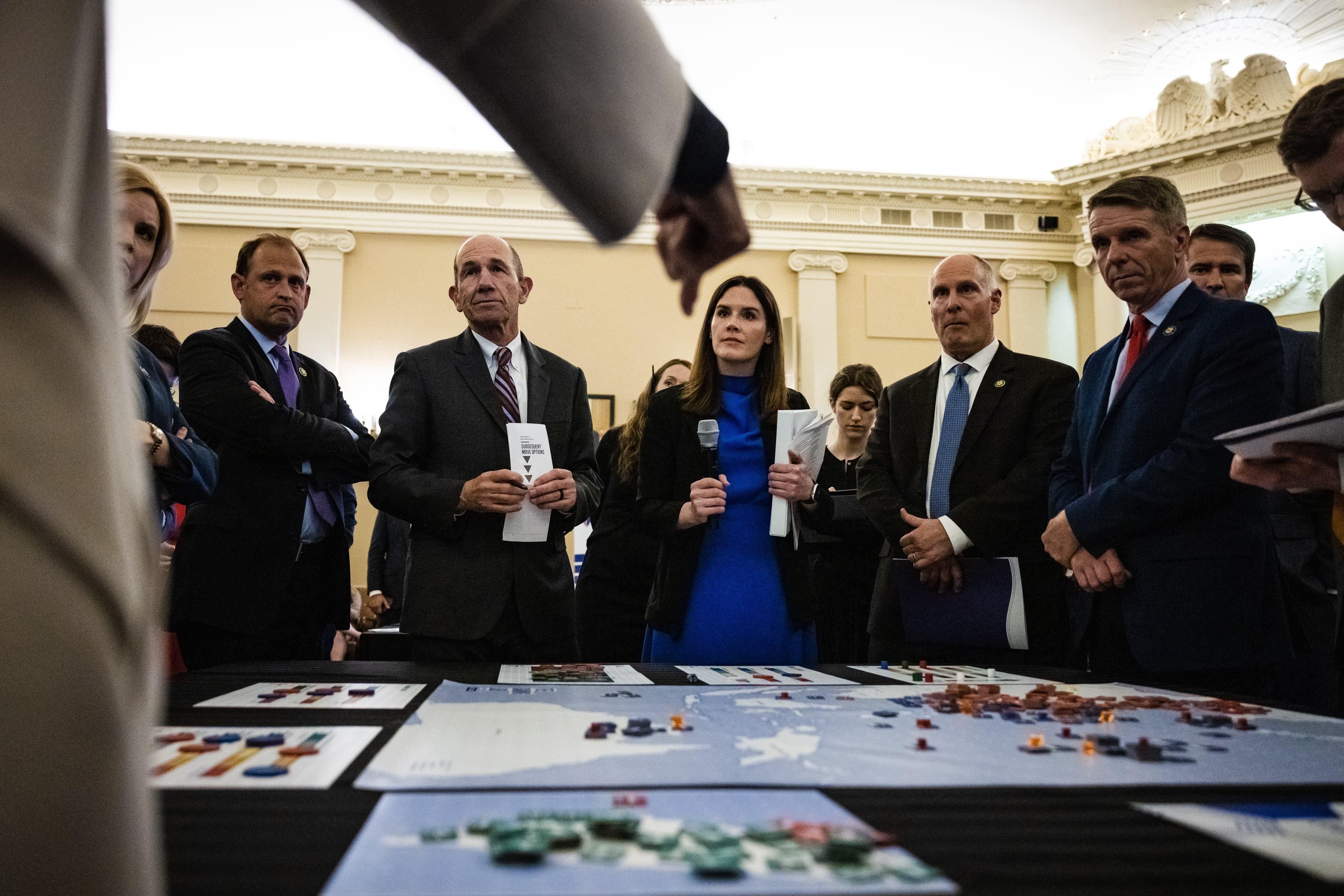
Labour's journey through the 20th century reflects a tapestry of changing political and economic landscapes. As the party's platform evolved, certain commitments that were once central to their ethos quietly slipped into the background. This was particularly evident with the Labour party’s shifting stance on a key economic policy over the years.
The Disappearance of a Core Commitment
Integral to the Labour platform in its early years, the commitment in question represented a significant plan for economic reform. Its presence in party rhetoric underscored the Labour’s commitment to economic justice. By 1963, the very essence of this policy had faded from the official agenda, a decision seemingly made without the broad consensus typically demonstrated by party conference approval, signaling a shift in the Labour party’s policy priorities.
The Whitlam Era: A Time of Change and Continuity
Entering office in 1972, Gough Whitlam's administration faced the formidable task of addressing economic challenges alongside a robust political agenda. Despite calls from various factions within the party and the public, Whitlam's government did not move to reintroduce the earlier abandoned legislation related to economic reforms, steering the party in a new direction. This decision reflected a broader trend of transition within the party, away from some of its foundational economic tenets.
A Party in Transformation
Labour’s evolving economic policies are a testament to the party’s ability to adapt to the shifting socio-political environment. While such transformations are a natural process in any dynamic political organization, they also invite scrutiny and reflection on the core values and promises made to constituents. Discrepancies between a party's platform at one point in time and its later actions can evoke discussions on the importance of consistency in political commitments versus the need to adapt to current realities.
The Contemporary Labour Movement
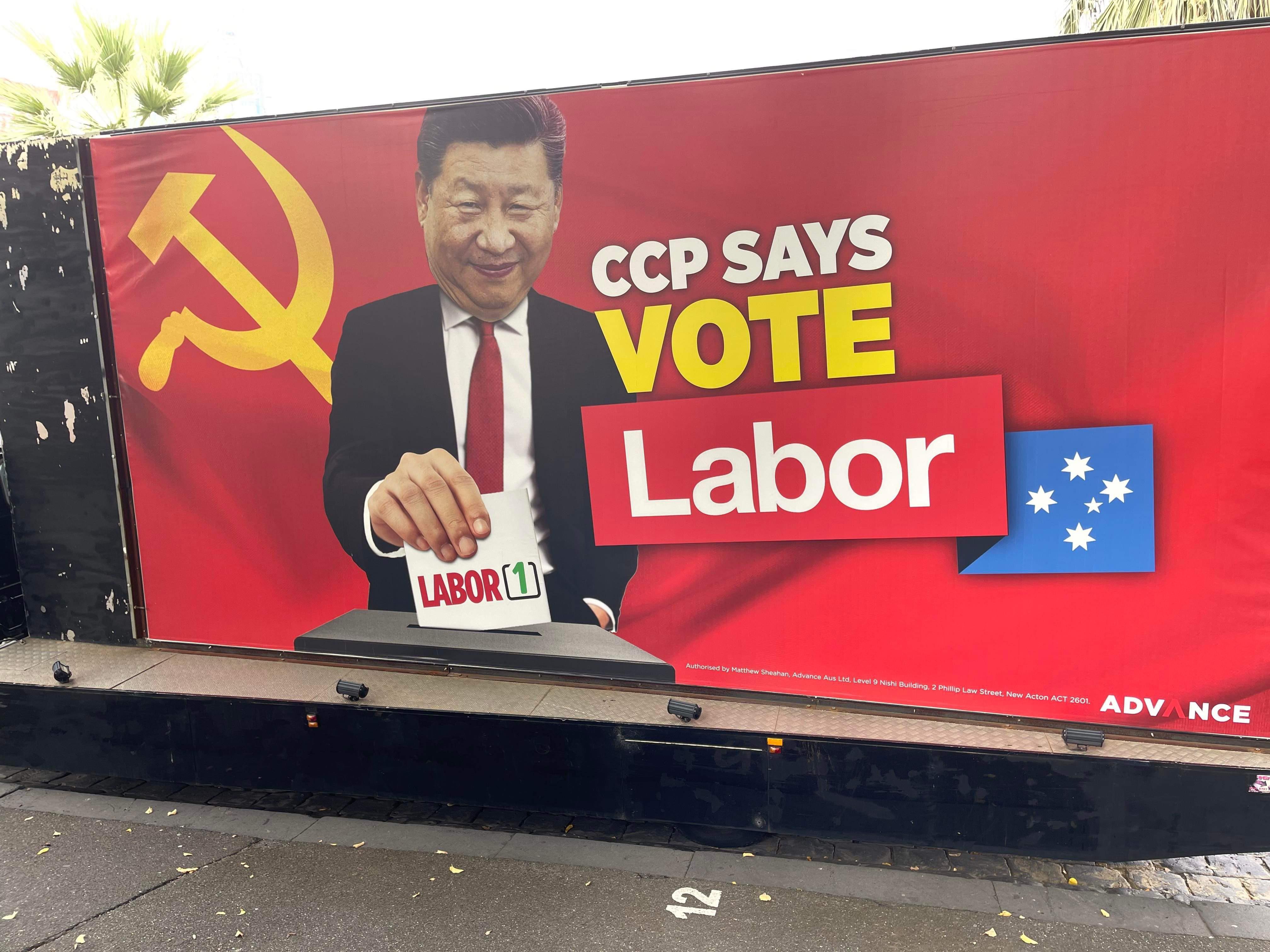
Today, the Labour party continues to navigate the complex waters of policy-making and political strategy. While the early commitment to wide-scale economic reform may no longer be on the party's agenda, the aspirations to align with modern economic practices remain. The Labour party's stance is perpetually shaped by the changing needs of the population, global economic trends, and internal party dynamics. As the economic landscape continues to change, so too does the party's approach to addressing the challenges of contemporary society.
Blending the Past with Today's Economic Realities
Reflecting on the Labour party's historical economic policies allows for an appreciation of the dynamic nature of political platforms. The lessons from the past serve as guideposts for understanding the complex decisions made by today's leaders and the direction of future economic policies. As society moves forward, so does the collective memory of the policies that once defined political entities – though they may be modified, they shape the present and influence the decisions of tomorrow.
The Intersection of Economy and Travel: A Modern Perspective
As politics and economy go hand-in-hand, the impact on sectors such as travel and hospitality is undeniable. Political decisions influence economic vitality, which in turn affects consumer confidence and spending habits. The health of the economy directly correlates with the vibrancy of travel and hospitality industries. This nexus underlines the importance of robust economic policies, for both stable governance and the flourishing of tourism sectors, driving the need for informed political decision-making that supports growth and sustainability in all arenas of public life.
Puerto Rico (Gran Canaria)
- Servatur Puerto Azul
- Gloria Palace Amadores Thalasso & Hotel
- Ocean Hill Gran Canaria
- Marina Suites Gran Canaria
- Colina Mar Apartments
- Gloria Palace Royal Hotel & Spa
- Morasol Suites Gran Canaria
- Sol Y Paz Apartments
- Gran Canaria Puerto Rico
Playa del Ingles (Gran Canaria)
- Hd Parque Cristobal Gran Canaria
- Gran Canaria Princess
- Abora Continental By Lopesan Hotels
- Hl Miraflor Suites
- Labranda Hotel Marieta
- Sol Barbacan Gran Canaria
- Green Field Gran Canaria
- Hotel Neptuno
- Playa Del Ingles
San Agustin (Gran Canaria)
- Paradisus Gran Canaria
- Abora Interclub Atlantic
- Don Gregory By Dunas
- Gloria Palace San Agustin
- San Agustin Gran Canaria
Maspalomas (Gran Canaria)
- Salobre Hotel Resort & Serenity
- Club Maspalomas Suites & Spa
- Riu Palace Meloneras
- Vistaflor Bungalows
- Maspalomas Gran Canaria Holidays