A Look Back at the Progressive Challenge
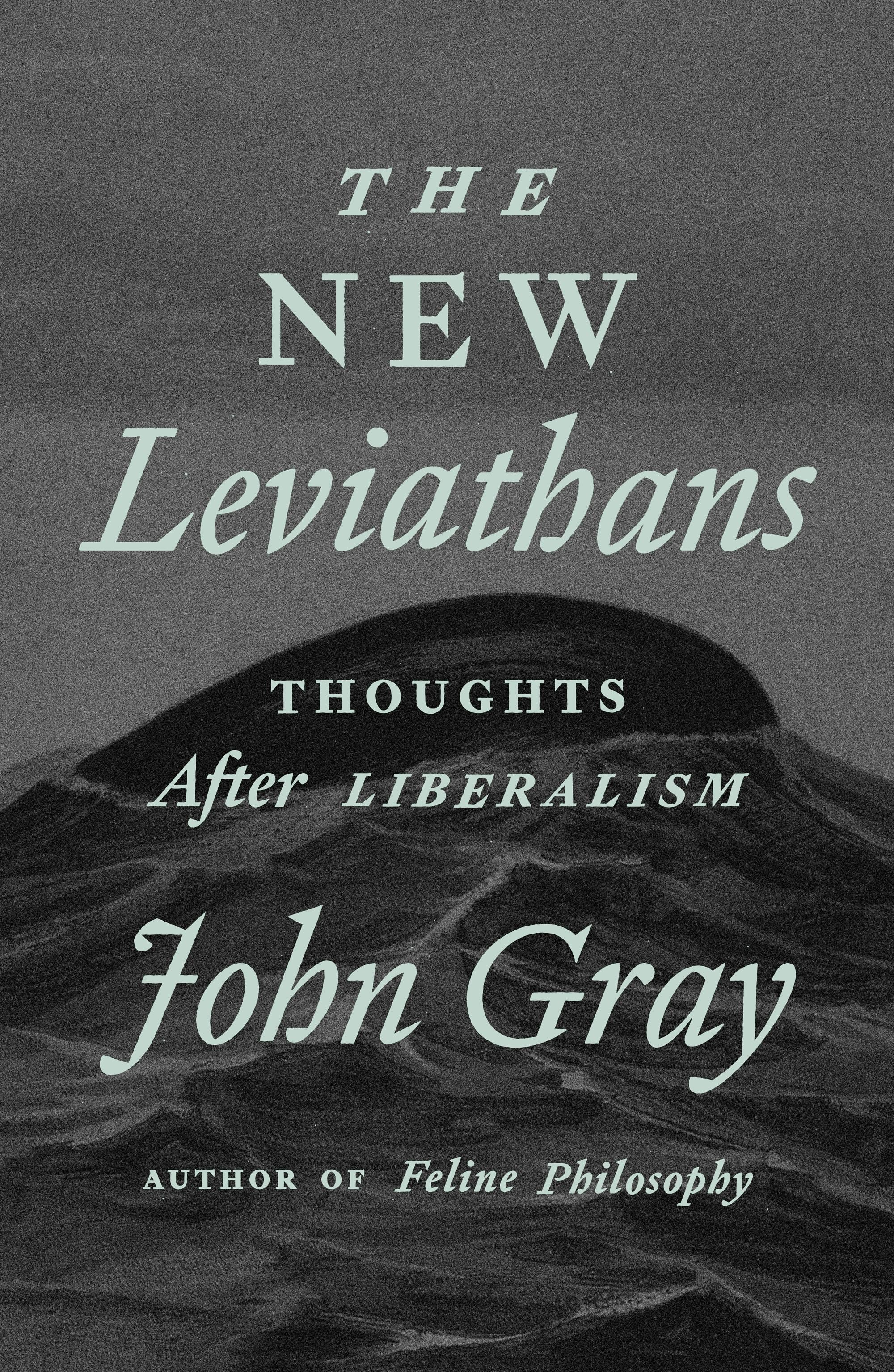
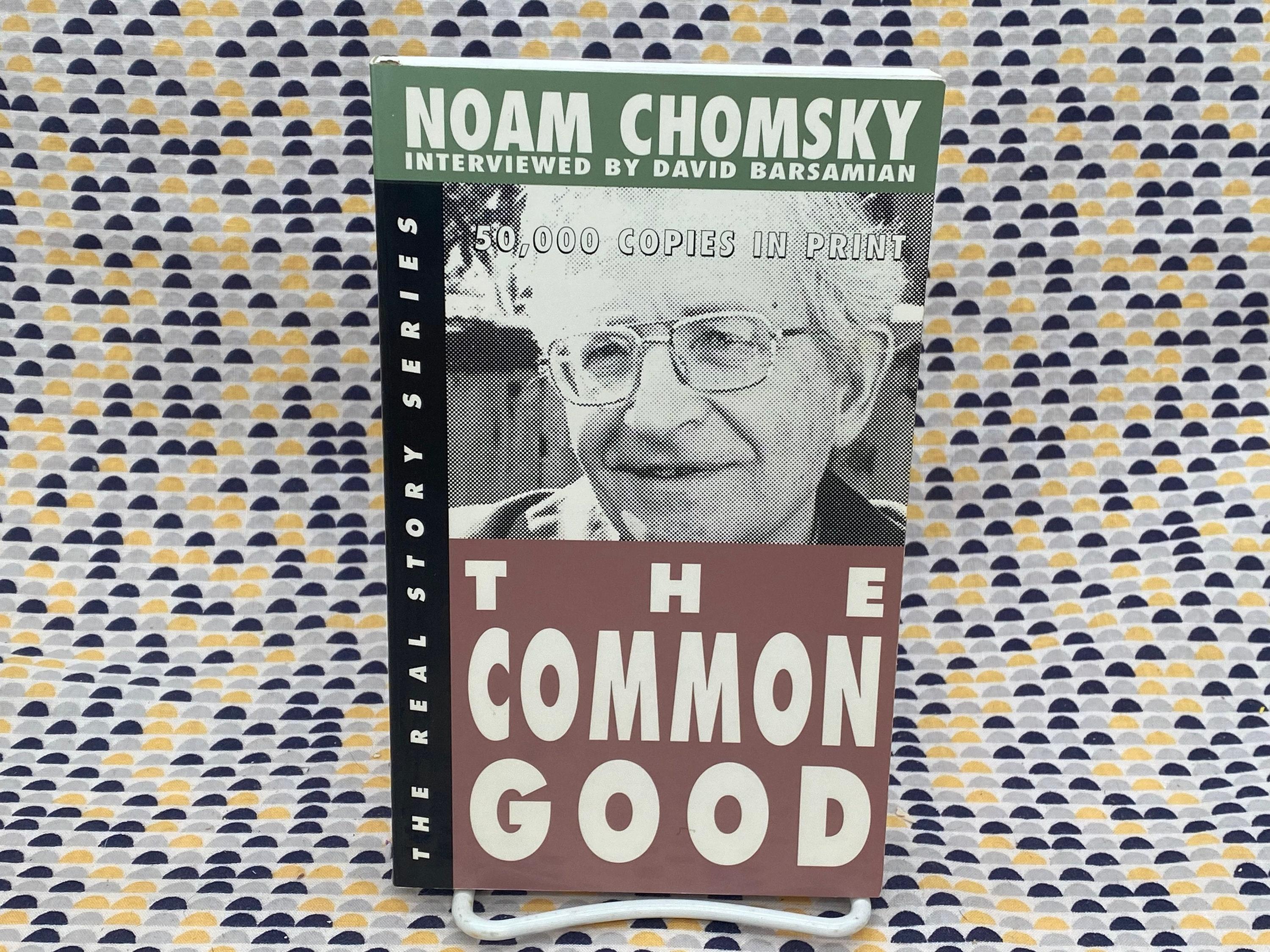
In January of 1997, an influential voice took the stage at the Progressive Challenge, a forum dedicated to progressive thought and activism. Noam Chomsky, a renowned intellectual and critic of contemporary ideology, addressed the divergence between long-standing societal values and present-day norms, examining the concept of "the common good" with roots extending back to Aristotle's Politics. The relevance of these age-old principles remains in the face of current societal challenges.
The Foundations of Political Theory
Aristotle's philosophy, which underpins much of our understanding of democratic society, places emphasis on achieving "the Common Good of All." His vision was clear: a state of equals, fostering the best life for all, through active and equal participation. The ideal government would not only embrace democracy but also take on the role of a welfare state, ensuring prosperity through equitable distribution of resources. These foundational ideas resonate through the ages, from classical liberalism to Enlightenment thinking, and critically examine the essence of a just society.
Classical Liberalism and Its Proponents
Figures like Adam Smith and Alexis de Tocqueville, pillars of classical liberalism, sustained this doctrine, fueling debates on free markets, equality of outcome, and the role of government in balancing the scales. The messages emanating from these thinkers were unequivocal: without relative equality of outcome, a democratic state loses its essence.
Historical Echoes in American Thought
The vigorous opinions of workers during the industrial revolution and the pressing concerns of James Madison over an equal distribution of society’s blessings reflect a continuous struggle within American society. The workers’ press of the 19th century and the insights of John Dewey in the 20th century advocated for the role of individuals as masters of their own industrial fate, free from the overshadowing influence of big business.
A Balance of Property and Power

In the constitutional debates, Madison highlighted the tension between protecting the opulent minority and the rise of a “leveling spirit” among the majority. While Madison saw a reduction in democracy as the solution, this has led to a system that often protects the wealth of the nation over the needs of the many, prompting continuous societal pushback toward more equitable governance.
Contemporary Relevance and Democratic Ideals
Confronting the doctrines that underpin power and privilege today means dissecting the decisions made within our institutions. Chomsky argues that true democracy and justice can commence by challenging the perceived legitimacy of these institutions and invoking the will to reform or replace them.
The Intersection of Travel and Societal Ideals
Amidst reflective thoughts on society's political landscape, the pursuit of the common good intersects with various aspects of our lives, including travel. As people explore new destinations, they seek accommodations that align with their principles and contribute to local economies. Hotels, as part of the travel industry, have an opportunity to embody and promote the values of equality and the common good, offering guests ethical choices that can lead to lasting prosperity beyond their temporary stay.
Puerto Rico (Gran Canaria)
- Servatur Puerto Azul
- Gloria Palace Amadores Thalasso & Hotel
- Ocean Hill Gran Canaria
- Marina Suites Gran Canaria
- Colina Mar Apartments
- Gloria Palace Royal Hotel & Spa
- Morasol Suites
- Maracaibo Aparthotel
- Babalu Gran Canaria
- Bahia Blanca Puerto Rico
- Sol Y Paz Apartments
- Gran Canaria Puerto Rico
Playa del Ingles (Gran Canaria)
- Hd Parque Cristobal Gran Canaria
- Gran Canaria Princess
- Abora Continental By Lopesan Hotels
- Hl Miraflor Suites
- Sol Barbacan
- Labranda Hotel Marieta
- Riu Palace Palmeras
- Neptuno Gran Canaria
- Hotel Green Field
- Playa Del Ingles
San Agustin (Gran Canaria)
- Paradisus Gran Canaria
- Abora Interclub Atlantic
- Don Gregory By Dunas
- Gloria Palace San Agustin
- Bull Costa Canaria And Spa
- San Agustin Gran Canaria
Maspalomas (Gran Canaria)
- Salobre Hotel Resort & Serenity
- Club Maspalomas Suites & Spa
- Riu Palace Meloneras
- Vistaflor Bungalows
- Holidays To Maspalomas