Historical Foundations of Austrian Economics
Austrian economics, a school of economic thought that originated in the late 19th century, emphasizes the role of individualism and entrepreneurial spirit in driving economic progress. Its key tenets include the importance of subjective value theory, marginal utility, and the economic calculation debate, which have profoundly influenced free-market advocacy and libertarian political philosophy.
A Glimpse into the United Kingdom's Economic Mindset

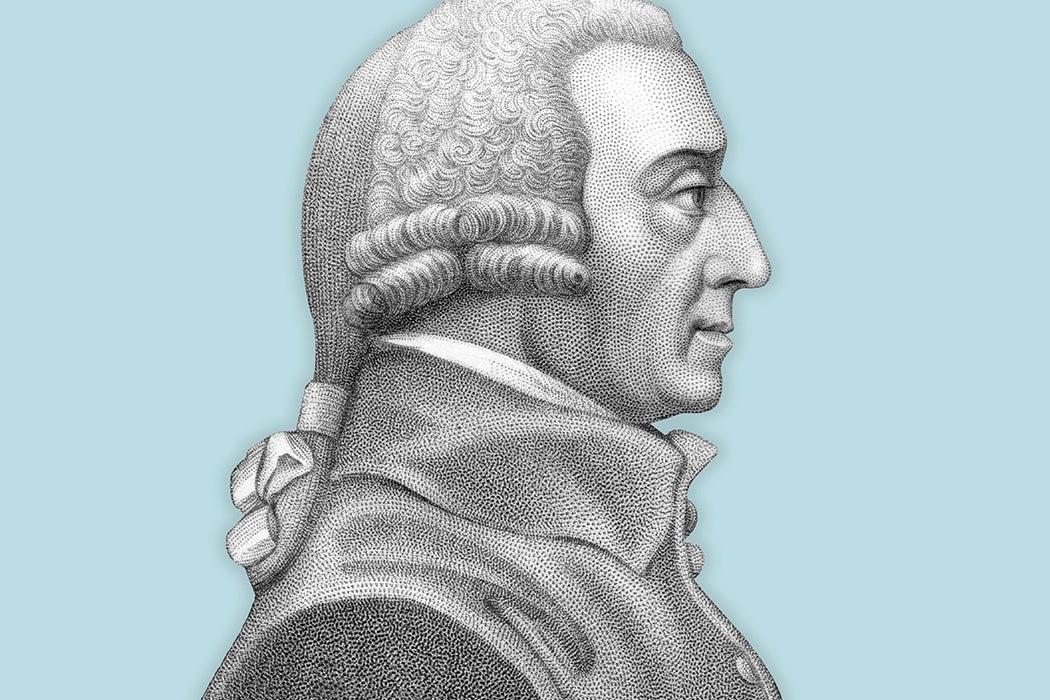
The United Kingdom's economic contributions are steeped in a history of industrial revolution and wealth of pioneering economists such as Adam Smith, whose theories of the 'invisible hand' and laissez-faire economics have impacted global economic policies. Today, the UK balances its rich heritage with modern challenges like Brexit and its implications on trade and fiscal policies.
Dissecting American Economic Perspectives
Varied Schools of Thought in the United States
The expanse of economic theory in the United States mirrors the country's vast diversity. With thought leaders ranging from Keynesian advocates to Chicago school proponents, U.S. economists continue to shape discussions on policy effectiveness, market regulation, and sustainable growth in a complex, interconnected global environment.
The Role of Education in Economic Theory
American economic thought is also influenced by its educational institutions. Prestigious universities serve as incubators for future economists and policymakers, fostering discussions that question existing paradigms and create new theoretical frameworks to address contemporary economic challenges.
Connecting economic Knowledge with Modern-day Travel
As the study of economics imparts a deeper understanding of resource allocation and value, so too does it influence the travel and hospitality industries. Travelers, equipped with economic insights, can make informed decisions about their journeys, balancing personal utility with budget constraints. Hotels, on the other hand, apply economic principles to optimize pricing, guest satisfaction, and operational efficiency, enhancing the overall travel experience. Ultimately, economics and travel intersect to shape the decisions and satisfaction of globetrotters around the world.
Puerto Rico (Gran Canaria)
- Servatur Puerto Azul
- Gloria Palace Amadores Thalasso & Hotel
- Marina Suites Gran Canaria
- Colina Mar Apartments
- Ocean Hill Puerto Rico
- Gloria Palace Royal Hotel And Spa
- Babalu Gran Canaria
- Puerto Rico Gran Canaria
Playa del Ingles (Gran Canaria)
- Hd Parque Cristobal Gran Canaria
- Princess Hotel Gran Canaria
- Abora Continental
- Mur Hotel Neptuno
- Greenfield Hotel Gran Canaria
- Buenos Aires Gran Canaria
- Gran Canaria Playa Del Ingles
San Agustin (Gran Canaria)
- Paradisus Gran Canaria
- Abora Interclub Atlantic By Lopesan Hotels
- Bull Costa Canaria & Spa
- Hotel Orquidea Gran Canaria