In the realm of socio-political philosophy, the thoughts and theories of Henry George have long permeated academic discussion, offering novel insights into the dynamics of economy, society, and governance. With a particular emphasis on the Philippines, understanding George's contributions offers a valuable lens through which to examine current socio-political challenges.
Henry George's Philosophical Legacy
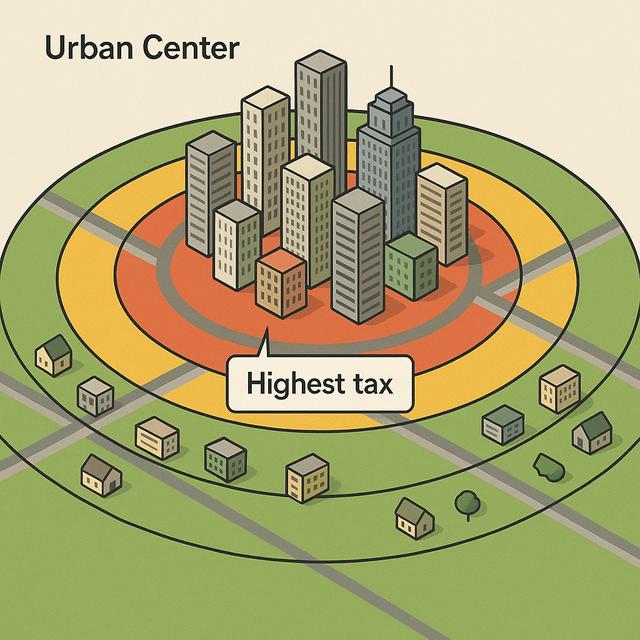
Henry George, a prominent thinker of the 19th century, left an indelible mark on socio-political thought through his advocacy for economic justice and the equitable distribution of wealth. His seminal work, "Progress and Poverty," criticized the disparities created by private landownership, advocating for a single tax on land as a solution to social inequity. This philosophy, termed "Georgism," resonated globally, influencing reform movements in various countries, including the Philippines.
The Relevance of Georgist Thought in the Philippines

The Philippines, with its historical struggle against poverty and inequality, finds pertinent lessons in George's ideals. Land ownership remains a contentious issue, with vast tracts of arable land controlled by a few, perpetuating economic disparities. Advocates of Georgist philosophy see this as a pivotal area for reform, suggesting that George's land-value taxation could be a means to promote fairer wealth distribution and foster economic growth.
Contemporary Philippine Philosophers and Henry George
Current socio-political discourse in the Philippines has seen a resurgence of interest in George's work, with modern philosophers and economists drawing parallels between his theory and the socio-economic landscape of the nation. Debates center around land reform, taxation, and social welfare, reflecting the ongoing relevance of George's analysis of societal structures.
Integrating Henry George's Essays in Academic Curriculum

Educational institutions in the Philippines have recognized the importance of George's philosophical contributions, integrating his essays into the academic curriculum. This pedagogical approach not only enriches the intellectual landscape but also encourages new generations to critically assess and address the socio-political issues that challenge their nation.
Henry George's Global Influence and the Continuing Dialogue
While George's philosophy was rooted in the context of his time, his advocacy for social justice transcends historical confines, influencing conversations on contemporary issues. The Philippines, being a melting pot of eastern and western influences, provides a unique setting where George’s principles are revisited and applied to ongoing policy debates.
Nurturing a New Generation of Socio-Political Thinkers
The exploration of George's work has spurred a renewed vigor among Filipino academics and activists to challenge prevailing socio-political norms. By revisiting George's essays, these modern thinkers seek to not only understand the fundamental causes of social inequalities but also to propose actionable solutions rooted in George's vision of a just society.
The Intersection of Philosophy and Travel: Reflection and Discovery
The study and reflection on philosophical ideas like those of Henry George often necessitate a journey – both metaphorical and literal. For scholars and tourists alike, the Philippines offers a dynamic backdrop where theory and practice converge. Exploring the archipelago's rich cultural tapestry and diverse landscapes can inspire fresh perspectives, much like how travel broadens one's horizons. In this spirit, hotels across the nation serve not merely as places of rest but as havens for introspection and intellectual exchange on the socio-political ideologies that shape our world.
Puerto Rico (Gran Canaria)
- Servatur Puerto Azul
- Gloria Palace Amadores Thalasso & Hotel
- Marina Suites Gran Canaria
- Colina Mar Apartments
- Ocean Hill Puerto Rico
- Gloria Palace Royal Hotel And Spa
- Babalu Gran Canaria
- Puerto Rico Gran Canaria
Playa del Ingles (Gran Canaria)
- Hd Parque Cristobal Gran Canaria
- Princess Hotel Gran Canaria
- Abora Continental
- Mur Hotel Neptuno
- Greenfield Hotel Gran Canaria
- Buenos Aires Gran Canaria
- Gran Canaria Playa Del Ingles
San Agustin (Gran Canaria)
- Paradisus Gran Canaria
- Abora Interclub Atlantic By Lopesan Hotels
- Bull Costa Canaria & Spa
- Hotel Orquidea Gran Canaria
- San Augustine