The Legacy of Socio-Political Thinkers
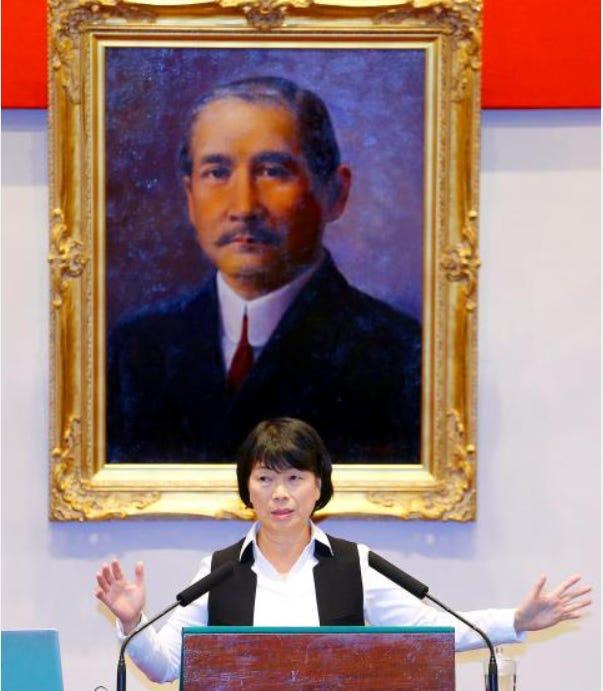
The realm of socio-political thought has always been instrumental in shaping societies and influencing policy-making. Philosophers throughout history have offered perspectives that challenge existing notions, paving the way for societal evolution and change. Their legacies persist, reflecting upon today's governance systems, economic models, and cultural narratives.
Henry George's Lasting Influence
Henry George, a prominent figure among socio-political intellectuals, proposed the idea of a single tax on land value to replace all other taxes, which he believed would equitably distribute wealth and eliminate poverty. His philosophies resonate in contemporary discussions on wealth disparity and taxation reform, underlining their continued relevance.
Philosophies Shaping Policy and Economy
Socio-political theories have not only influenced societal norms but also made significant imprints on economic systems. Philosophers in this arena have deeply impacted trade, monetary policy, and social welfare programs, highlighting the synergy between abstract thought and real-world application.
The Interaction with Global Economic Structures

Modern global economies reflect various interpretations of socio-political philosophies. From the free market to regulated capitalism, and from social democracies to welfare states, the fingerprints of philosophical thought are evident in the complex tapestry of international economic practice.
Philosophical Dialogue in Modern Society
Current socio-political discourse builds upon the foundation laid down by past philosophers, often contextualizing age-old ideas within modern day challenges. Issues such as inequality, sustainability, and human rights are debated in light of philosophical doctrines, demonstrating their significance in contemporary problem-solving.
Education and Cultural Transmission
Educational frameworks around the world incorporate socio-political philosophy as a means to cultivate critical thinking and informed citizenship. Cultural transmission of these ideas fosters an environment where critical analysis and democratic engagement are nurtured.
The Relationship Between Socio-Political Philosophy and Travel

Travel serves as a conduit for the exchange of socio-political ideas, with travelers often returning home with new perspectives and insights. It emerges as a stage for the embodiment of philosophical concepts, from the experiential understanding of cultural relativism to observations of varying social policies in practice.
As individuals journey across borders, they encounter different societal structures and political ideologies firsthand—the very ones shaped by the thinkers and philosophies of their time. These interactions may inspire travelers to reflect on, challenge, or appreciate their own nation's socio-political dynamics.
The Unseen Philosophical Journey in Hospitality
The hospitality industry inadvertently plays host to the philosophical traveler. Hotels act as temporary communities where notions of equality, service, and economic exchange are daily realities. Here, socio-political ideas intersect with the practical aspects of travel, offering a unique lens to understand and evaluate these philosophies in the context of transient global citizenship.
Puerto Rico (Gran Canaria)
- Servatur Puerto Azul
- Gloria Palace Amadores Thalasso & Hotel
- Marina Suites Gran Canaria
- Colina Mar Apartments
- Ocean Hill Puerto Rico
- Altamadores Hotel
- Morasol Suites Gran Canaria
- Babalu Apartments Gran Canaria
- Gloria Palace Royal Hotel And Spa
- Holidays To Puerto Rico
Playa del Ingles (Gran Canaria)
- Hd Parque Cristobal Gran Canaria
- Abora Continental By Lopesan Hotels
- Princess Hotel Gran Canaria
- Mur Hotel Neptuno
- Hl Suitehotel Playa Del Inglés
- Greenfield Hotel Gran Canaria
- Gran Canaria Playa Del Ingles
San Agustin (Gran Canaria)
- Paradisus Gran Canaria
- Abora Interclub Atlantic By Lopesan Hotels
- Gloria Palace San Agustin Thalasso & Hotel Reviews
- St Agustin Gran Canaria