The Dynamics of Wealth Production

Within the modern economic framework, the production of wealth is a complex and multidimensional process. It is influenced by a plethora of factors ranging from technological advancements and labor markets to international trade and domestic policies. The way countries harness and manage their resources, both human and natural, significantly impacts their economic standing and the subsequent distribution of wealth among their populations.
Government's Role in Shaping the Economic Landscape
The role of government in the economy cannot be overstated. Policies enacted by the state have the power to facilitate growth, implement fair taxation, and promote social welfare. Governments must carefully design tax regimes to ensure that they stimulate economic activity without disincentivizing productivity or contributing to inequality. The delicate balance of taxation policy is crucial in maintaining an economic environment conducive to wealth production.
Global Perspectives: A Closer Look at Foreign Policy and Economics
Impact on International Trade and Relations
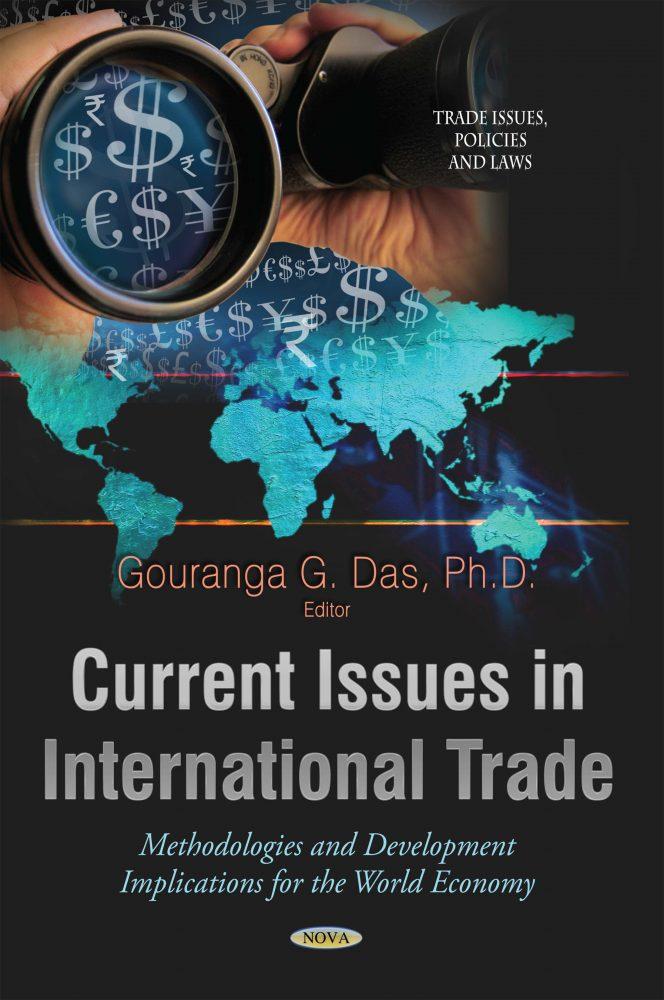
Foreign policy decisions are often influenced by economic imperatives. The geopolitical strategies of a nation reflect its economic interests and the necessity to maintain relationships that support its economic goals. International trade agreements, development aid, and diplomatic relations are all shaped by a government's desire to optimize the economic outcomes for its country.
Cross-border Economics and Shared Prosperity
In an interconnected world, the economic policies of one nation can have far-reaching effects on others. This interaction necessitates a cooperative approach to ensure that the wealth produced through international endeavors benefits all parties involved. It requires a comprehensive understanding of the intricacies of global economies and the need for equitable economic practices.
Historical Perspective: Evolution of Economic Theories and Practices

Historical analysis provides invaluable insights into the evolution of economic theories and practices. Over the centuries, different economic philosophies have shaped the policies and approaches of nations. Understanding these philosophies is essential for evaluating current economic models and for paving the way for innovative and equitable wealth production mechanisms.
The Intersection of Economy and Travel
Travel is inextricably linked to the economic conditions of nations. The wealth produced within a country greatly influences the tourism sector, affecting everything from the business of travel agencies to the occupancy rates of accommodations. As economies grow and the distribution of wealth becomes more equitable, the travel industry often witnesses a corresponding surge, fueling domestic and international exploration and cultural exchange.
Final Thoughts: The Economic Fabric of Societies and the Future of Travel
The deep-seated relationship between wealth, taxation, government policy, and foreign affairs is a testament to the intricate fabric of societies. As global citizens, understanding this dynamic equips us with the knowledge to make informed decisions in both economic and leisurely pursuits. In light of this, when planning travel, it is insightful to consider the economic backdrop of our destinations, enriching our experiences and fostering greater appreciation for the economic diversity of the world.
Puerto Rico (Gran Canaria)
- Servatur Puerto Azul
- Gloria Palace Amadores Thalasso & Hotel
- Marina Suites Gran Canaria
- Colina Mar Apartments
- Ocean Hill Puerto Rico
- Gloria Palace Royal Hotel And Spa
- Babalu Gran Canaria
- Puerto Rico Gran Canaria
Playa del Ingles (Gran Canaria)
- Hd Parque Cristobal Gran Canaria
- Princess Hotel Gran Canaria
- Abora Continental
- Mur Hotel Neptuno
- Greenfield Hotel Gran Canaria
- Buenos Aires Gran Canaria
- Gran Canaria Playa Del Ingles
San Agustin (Gran Canaria)
- Paradisus Gran Canaria
- Abora Interclub Atlantic By Lopesan Hotels
- Bull Costa Canaria & Spa
- Hotel Orquidea Gran Canaria