Understanding the Principle of Land for All

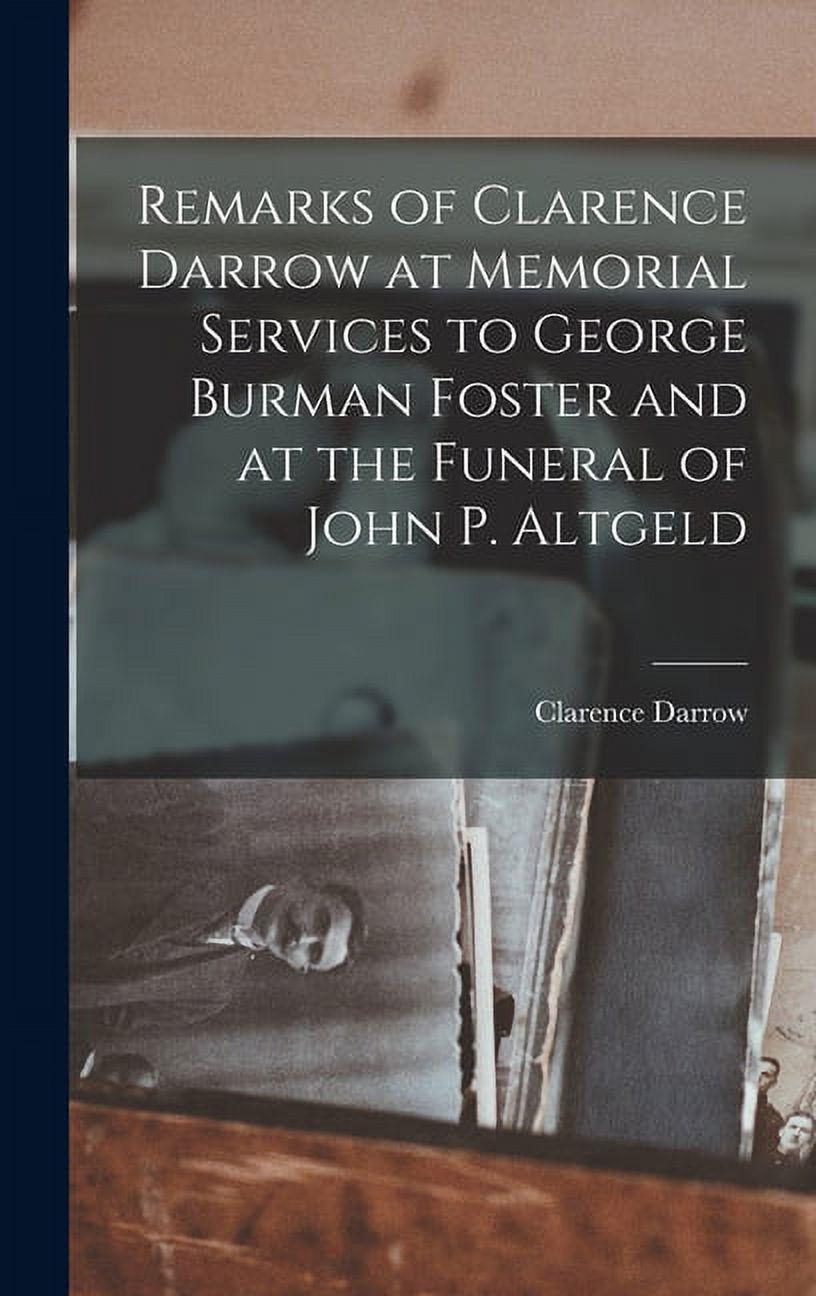
The idea that the land belongs to the people is a concept that has been debated for centuries. Clarence Darrow, an American lawyer and leading member of the American Civil Liberties Union, offered a compelling perspective on this issue in his 1916 piece titled "The Land Belongs to the People." In his argument, Darrow suggests that for a society to achieve widespread prosperity, it must reconsider its relationship with land ownership.
The Economic Impact of Land Monopolization
Challenges to Equal Opportunity
Land has always been a critical asset in any economy, but when owned by a small group, it leads to the centralization of wealth and power. Such monopolization undermines equal opportunity and hinders the socio-economic mobility of the broader populace. Darrow's reflections echo today, as economic disparities continue to grow, highlighting a need for systemic change.
The Role of Land in Shared Prosperity
The equitable distribution of land as suggested by Darrow might seem like an idealistic endeavor. However, historical examples show that when access to land is more democratic, it helps in creating a more resilient and diversified economy. This economic framework facilitates a more even distribution of wealth, ultimately contributing to shared prosperity.
Revisiting Traditional Concepts of Land Ownership
Contemporary thought leaders and economists continue to examine the implications of land ownership on societal wealth. By revisiting and honing the perspectives introduced by individuals like Darrow, societies can develop new models of land governance that foster economic growth and societal well-being for all.
Implementing Reforms for the Future
Facilitating widespread prosperity means translating these conversations into actionable policies. This could involve land value taxation, encouraging the use of land for public benefit, or fostering community land trusts that serve as a mechanism to preserve affordability and prevent displacement.
Synergizing the Concepts with Modern Lifestyles
If we look closely, the principle of sharing land resonates with the contemporary sharing economy in various sectors, including travel. Embracing shared spaces and experiences, the travel industry could benefit from these principles. Travelers often seek accommodations that provide a sense of community and connection to their destination. Hotels, in keeping with this ethos, could contribute to shared prosperity by engaging with local economies, sourcing products, employing residents, and investing in community projects, thereby ensuring that the benefits of tourism are enjoyed by all, not just a select few.
Puerto Rico (Gran Canaria)
- Servatur Puerto Azul
- Gloria Palace Amadores Thalasso & Hotel
- Marina Suites Gran Canaria
- Ocean Hill Gran Canaria
- Gloria Palace Royal Hotel & Spa
- Colina Mar
- Morasol Suites
- Sol Y Paz
- Gran Canaria Puerto Rico
Playa del Ingles (Gran Canaria)
- Hd Parque Cristobal Gran Canaria
- Abora Continental By Lopesan Hotels
- Gran Canaria Princess
- Hl Miraflor Suites
- Labranda Marieta
- Playa Del Ingles
San Agustin (Gran Canaria)
Maspalomas (Gran Canaria)
- Salobre Hotel Resort & Serenity
- Club Maspalomas Suites & Spa
- Riu Palace Meloneras
- Holidays In Maspalomas