Albert Einstein and Henry George's Enduring Principles
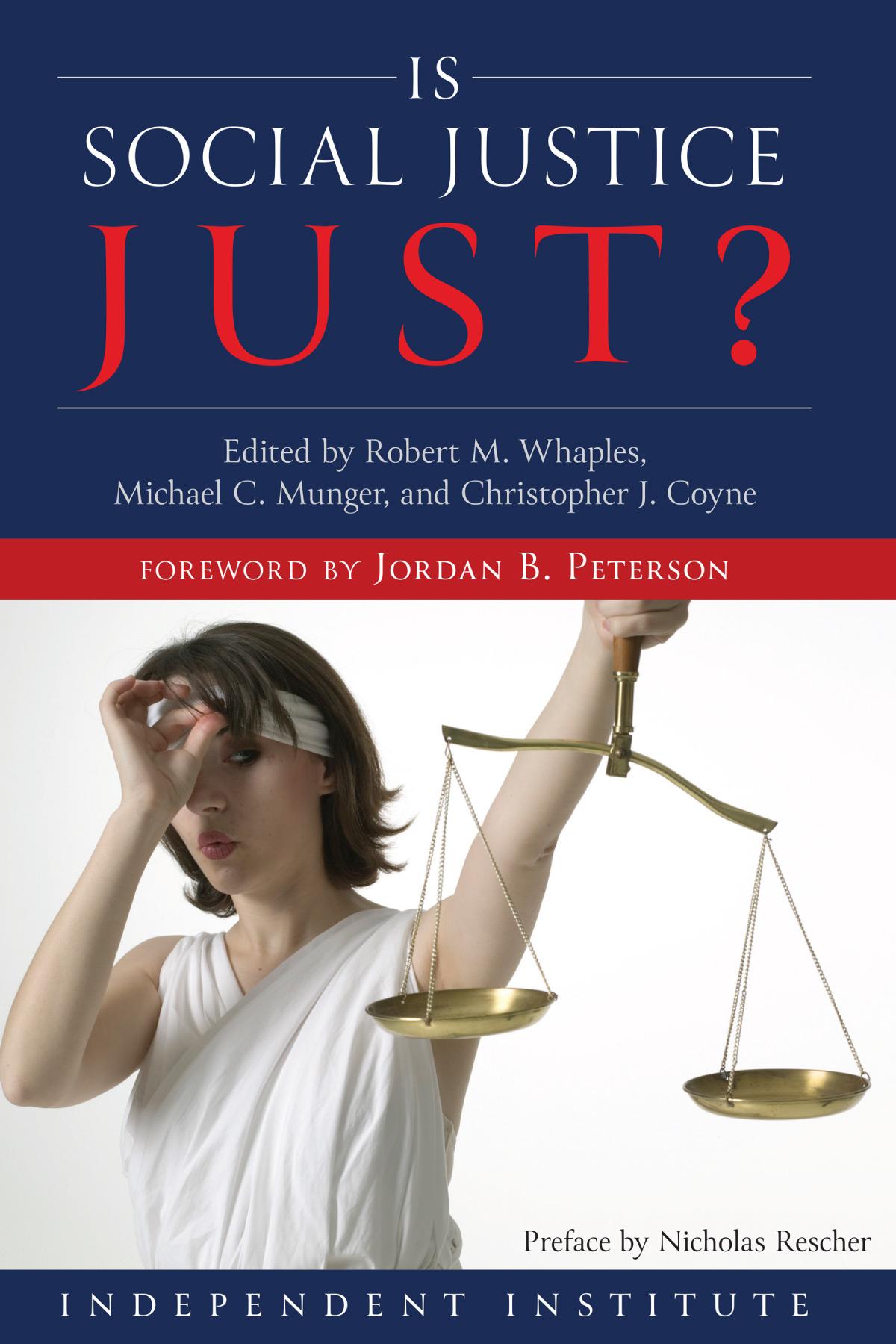
In the annals of history, few thinkers have made an impact on economic theories the way Henry George has. Even Albert Einstein, a genius of unparalleled scientific achievement, recognized the profound insights George brought to discussions of poverty, wealth, and social justice. George's proposition to end monopolization over land and resources set the stage for a radical rethinking of economic paradigms, a vision shared by Einstein in advocating equitable distributions of wealth.
Post-Scarcity Visionaries: George, Fuller, and Kelso
The late 19th and 20th centuries witnessed remarkable minds like George, Buckminster Fuller, and Louis Kelso crafting frameworks for a future free from scarcity. Their collective thought represents a critically alternative perspective to the dominant ideologies shaped by thinkers like Karl Marx, whose solutions unfortunately engendered different forms of economic concentration and worker disenfranchisement.
Henry George's Philosophical Contributions
George's principles emphasized the eradication of poverty through the shared ownership of land, presenting a stark contrast to the monopolistic tendencies prevalent within capitalist structures.
Buckminster Fuller's Innovative Genius
Fuller extended this conversation with his innovative designs and insights into technological change, advocating for resource-efficient solutions that prioritize global well-being over profit concentration.
Louis Kelso's Economic Justice Framework

Louis Kelso, often unrecognized for his broader philosophy, introduced concepts like the ESOP, a means designed to distribute corporate ownership widely among workers, thus potentially altering the landscape of personal wealth.
The Role of the Family in a Post-Scarcity World
A post-scarcity paradigm goes beyond the mere allocation of resources; it has profound implications on the very unit of society – the family. In a world where technology has the potential to meet human needs abundantly, ensuring that families can secure a stable income is paramount for maintaining the moral and social order.
A Different Perspective on Economic Globalization
Discussions surrounding globalization often evoke a sense of helplessness against an unstoppable force. Yet, Henry George’s insights offer a beacon of hope, providing a pathway toward economic empowerment for all, not just a privileged few within a global marketplace.
Is a "Third Way" Economic Paradigm Feasible?
The "Third Way" paradigm is often cloaked in ambiguity, with pundits on the left and right disputing its essence. However, true transformation lies in a model that empowers individuals and families through legitimate ownership, setting the foundations for an economically just society.
The Real Third Way: An Examination
A reformed model that economically empowers the population, without resorting to the tired mechanisms of state dependency, can indeed lay the groundwork for a more egalitarian society that aligns with the best ideas of George, Fuller, and Kelso.
Free Market, Social Justice, and the Four Pillars
To construct a just economic society, we must adhere to the principles of expanded ownership, limited state power, market freedom, and private property restoration. These principles ensure equitable participation in economic life, fostering social justice in the process.
Money and Credit: The Pivot of Economic Empowerment
The power dynamics of money and credit creation need a transformative shake-up to enable widespread asset acquisition, which, in turn, forms the backbone of social and economic equity.
The Homestead Act: A Historical Benchmark
The Homestead Act serves as a historical case study in the democratization of asset ownership. Its principles can be adapted to modern times, presenting opportunities to break the cycles of concentration and dependency plaguing current economic models.
Reimagining Travel: A Parallel to Inclusive Economics
Just as a post-scarcity paradigm calls for a reevaluation of economic structures, the world of travel today is also in a phase of reimagination. As the mode of economic thought shifts towards a more inclusive and equitable one, we see a parallel in the hospitality industry. Hotels, synonymous with rest and respite, are incorporating principles of sustainability and social responsibility into their operations. This alignment with broader societal goals reflects a changing tide, where luxury is redefined not just by material opulence but by contributing positively to the fabric of society. Travel, akin to the economic aspirations of a post-scarcity world, becomes an enriching journey that fosters inclusivity and the well-being of all stakeholders involved.
Puerto Rico (Gran Canaria)
- Servatur Puerto Azul
- Gloria Palace Amadores Thalasso & Hotel
- Ocean Hill Gran Canaria
- Marina Suites Gran Canaria
- Colina Mar Apartments
- Gloria Palace Royal Hotel & Spa
- Morasol Suites Gran Canaria
- Sol Y Paz Apartments
- Gran Canaria Puerto Rico
Playa del Ingles (Gran Canaria)
- Hd Parque Cristobal Gran Canaria
- Gran Canaria Princess
- Abora Continental By Lopesan Hotels
- Hl Miraflor Suites
- Labranda Hotel Marieta
- Sol Barbacan Gran Canaria
- Green Field Gran Canaria
- Hotel Neptuno
- Playa Del Ingles
San Agustin (Gran Canaria)
- Paradisus Gran Canaria
- Abora Interclub Atlantic
- Don Gregory By Dunas
- Gloria Palace San Agustin
- San Agustin Gran Canaria
Maspalomas (Gran Canaria)
- Salobre Hotel Resort & Serenity
- Club Maspalomas Suites & Spa
- Riu Palace Meloneras
- Vistaflor Bungalows
- Maspalomas Holiday