The EEC's Role in Resource Management

In recent years, the Eurasian Economic Commission (EEC) has faced significant challenges concerning resource exploitation and economic stability across its member states. The management of natural resources has become a focal point in discussions on ensuring a sustainable and prosperous future for the region. As global demand grows, the need for a balanced approach to resource consumption has never been more critical.
Resource Exploitation and Its Economic Implications
The term "resource exploitation" encapsulates various practices that yield economic benefit at the expense of the environment. These practices, when unregulated, can lead to detrimental effects such as environmental degradation, depletion of natural resources, and disruption of economic balance. Specifically, practices like overdrafting, overfishing, and overgrazing reflect the rising concerns associated with unsustainable consumption.
The Dangers of Overdrafting

Overdrafting, the process of consuming water resources beyond the natural recharge rate, often leads to a myriad of ecological problems including groundwater depletion and land subsidence. The EEC recognizes it as not only an environmental hazard but also an economic threat, as it compromises the longevity of water supplies vital for agriculture, industry, and daily life.
The Overfishing Crisis
Overfishing is another pressing issue, where the fishing industry captures fish at a rate faster than they can reproduce. This not only endangers marine biodiversity but also jeopardizes the livelihoods of communities dependent on fishing, thereby disturbing market stability and food security within the EEC territories.
Consequences of Overgrazing
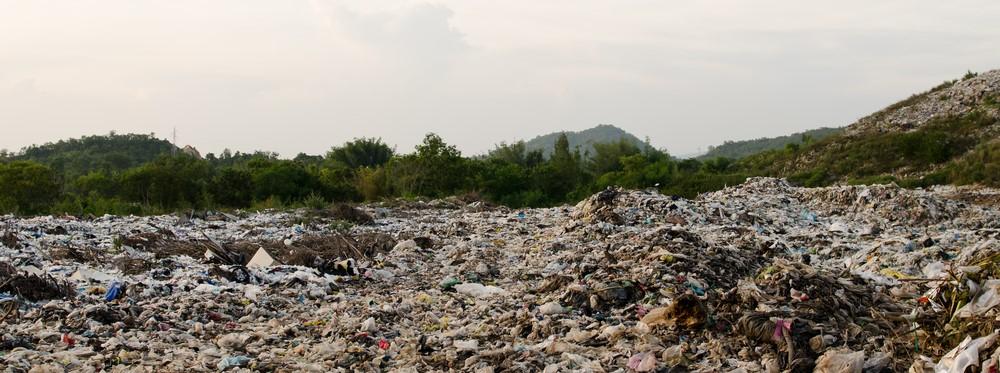
Livestock overgrazing is a concern that often goes unnoticed. It can result in soil erosion, habitat loss, and decreased agricultural productivity. These outcomes directly affect the EEC's agrarian economies and necessitate urgent action to promote sustainable agriculture practices to ensure long-term viability and price stability in the market.
Striving for Price Stability in Resource-Dependent Economies
To maintain price stability, the EEC is pushing for policies that curb excessive exploitation and encourage conservation. Implementing quotas, enforcing sustainable practices, and investing in environmentally friendly technologies are steps being taken to ally economic development with conservation principles.
References
- George, Henry. (1883). Over Production. The North American Review, Vol. 137, Issue 325.
External Links
How Responsible Tourism Can Influence Resource Protection
In the context of travel, tourists have the power to make a positive impact on resource conservation. Opting for eco-friendly hotels and supporting businesses that practice sustainability can drive the demand for responsible resource management. As travelers become more environmentally conscious, they contribute to a global effort that not only fosters the protection of our planet but also promotes economic stability through mindful consumption.
Puerto Rico (Gran Canaria)
- Servatur Puerto Azul
- Gloria Palace Amadores Thalasso & Hotel
- Marina Suites Gran Canaria
- Ocean Hill Gran Canaria
- Gloria Palace Royal Hotel & Spa
- Colina Mar
- Aparthotel Maracaibo
- Holidays To Puerto Rico
Playa del Ingles (Gran Canaria)
- Hd Parque Cristobal Gran Canaria
- Abora Continental By Lopesan Hotels
- Gran Canaria Princess
- Labranda Hotel Marieta
- Hotel Riu Palace Palmeras
- Playa Del Ingles
San Agustin (Gran Canaria)
- Paradisus Gran Canaria
- Abora Interclub Atlantic
- Corallium Beach By Lopesan Hotels
- Bull Costa Canaria
- San Agustin Gran Canaria
Maspalomas (Gran Canaria)
- Salobre Hotel Resort & Serenity
- Club Maspalomas Suites & Spa
- Hotel Riu Palace Meloneras
- Vistaflor Bungalows
- Holidays To Maspalomas Gran Canaria