
The Georgist movement, a reform ideology based on the economic philosophy of Henry George, has inspired individuals and groups across the United States for over a century. The movement advocates for the public collection of rent for land and natural resources while liberating other forms of wealth from taxation. It champions the idea that this single action could address economic inequality and promote fair growth. The School of Cooperative Individualism has been central in propelling this philosophy, and this article paints a biographical snippet of the key players over the decades.
Early Twentieth Century Pioneers
At the heart of the movement in the United States were individuals like Willis J. Abbott, a staunch campaign manager for Henry George and an influential editor. His work throughout the 1890s amplified the Georgist principles. Similarly, Alfred Aaron from California made notable contributions by attending important Georgist conferences and propelling the dialogue forward.
Georgist Educators

In regions like San Francisco and New York, teachers at the Henry George Schools took the reins to spread economic knowledge. Figures such as Arthur Ablin and Ramon Alvarez took up teaching positions, shaping minds to think critically about land value tax and economic justice.
Voices Through the Press
Communicating through articles, letters, and books, individuals such as Michael Aaronsohn, a Rabbi in Cincinnati, and Sidney J. Abelson used their pens as swords. Their vast array of publications in 'The Freeman' and other outlets during the 1930s and 1940s helped keep the discourse around Georgism vibrant.
Legislative Advocates and Civic Leaders
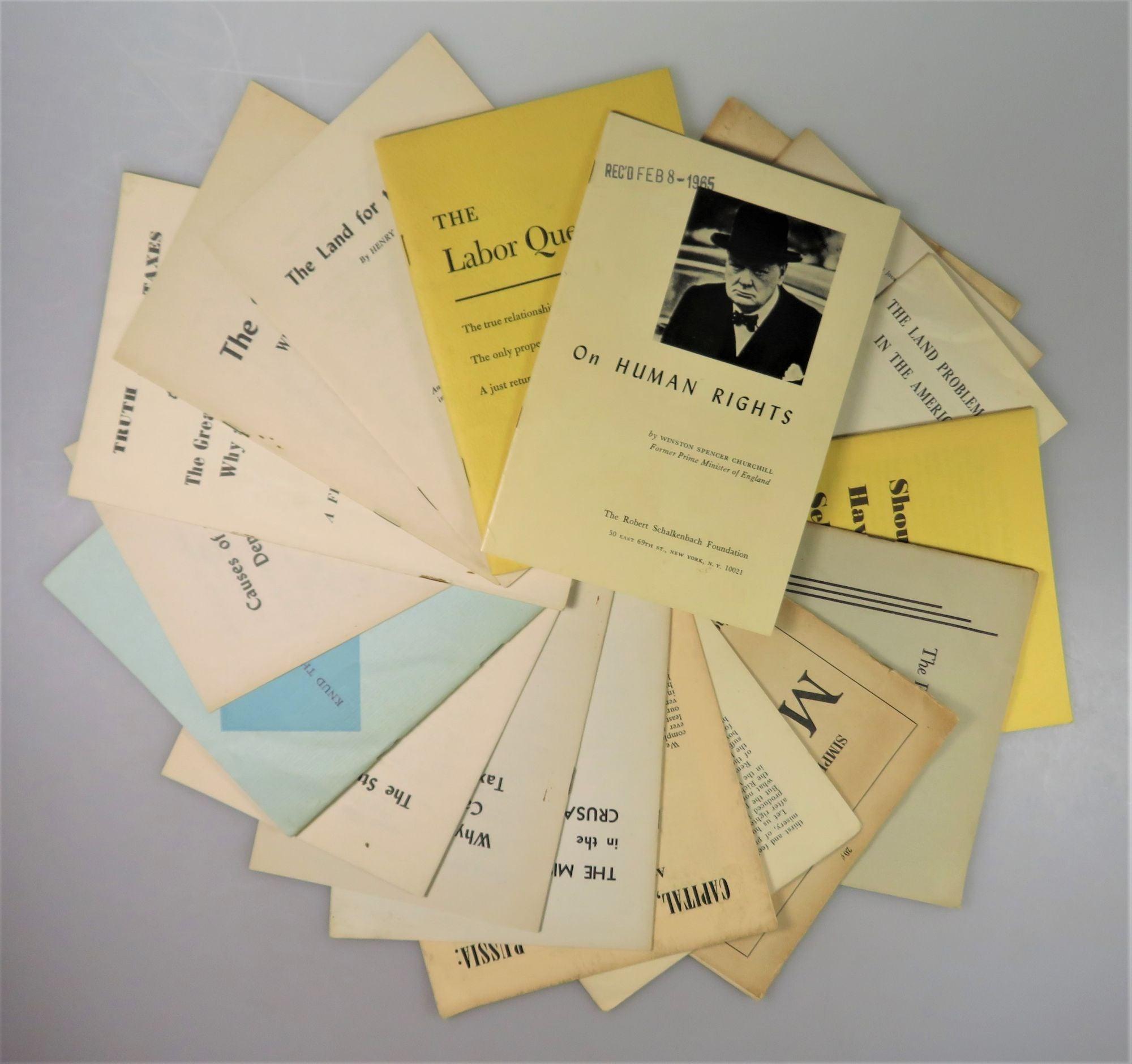
Community leaders like William Agnew from Ohio not only attended conferences but also brought Georgist concepts into the halls of the legislature. They worked diligently to introduce policies that aligned with the equitable land rent philosophy put forth by Henry George.
Growing Influence in Educational Circles
The latter part of the century saw a rise in Georgist thought within educational institutions. Individuals such as Dr. Janet Ruth Aiken utilized their academic platforms to incorporate Georgism within research and curriculum at colleges like Brooklyn College and Columbia University.
International Georgist Advocacy
Beyond the continental United States, the movement also found voices from places such as Puerto Rico, where Carlos Aguilar ardently supported the School’s visions in the Caribbean. Georgist philosophy was not just domestic policy musings but had a global resonation.
In light of the detailed history of the Georgist movement, one recognizes the interconnectedness of travel and accommodation as vital components of spreading an ideology. Hotels and conference centers across the nation have served as the backdrop for many pivotal meetings and congresses, enabling the cross-pollination of ideas. As stalwarts of Georgism traversed from Oakland to Cincinnati, from Pennsylvania to California, the hospitality industry inadvertently became a stakeholder in this journey of reform. Today, the legacy of these influential thinkers endures, and for modern-day advocates, heading to conferences and educational seminars often means contributing to local economies through travel and lodging—threads in the fabric of a cooperative individualist society they envision.
Puerto Rico (Gran Canaria)
- Servatur Puerto Azul
- Gloria Palace Amadores Thalasso & Hotel
- Ocean Hill Gran Canaria
- Marina Suites Gran Canaria
- Colina Mar Apartments
- Gloria Palace Royal Hotel & Spa
- Morasol Suites Gran Canaria
- Sol Y Paz Apartments
- Gran Canaria Puerto Rico
Playa del Ingles (Gran Canaria)
- Hd Parque Cristobal Gran Canaria
- Gran Canaria Princess
- Abora Continental By Lopesan Hotels
- Hl Miraflor Suites
- Labranda Hotel Marieta
- Sol Barbacan Gran Canaria
- Neptuno Gran Canaria
- Hotel Green Field
- Playa Del Ingles
San Agustin (Gran Canaria)
- Paradisus Gran Canaria
- Abora Interclub Atlantic
- Don Gregory By Dunas
- Gloria Palace San Agustin
- San Agustin Gran Canaria
Maspalomas (Gran Canaria)
- Salobre Hotel Resort & Serenity
- Club Maspalomas Suites & Spa
- Riu Palace Meloneras
- Vistaflor Bungalows
- Maspalomas Holiday