Free Trade in Historical Context

When Karl Marx stood before the Democratic Association of Brussels in 1848, he dissected the nature of free trade with a critical eye on how it affects the working class. He scrutinized the English abolition of the Corn Laws and the subsequent Free Trade Congress's objectives. Marx's insightful criticism illustrated the English bourgeoisie's attempt to extend their domestic economic policies globally, a strategy with implications still echoed in modern international trade discussions.
The Repeal of the Corn Laws and its Class Implications
The repeal of the Corn Laws in England marked a pivotal moment for free trade in the 19th century. Yet, Marx highlighted the juxtaposition of the working class's reality against the bourgeoisie's rhetoric. The promise of cheap food and higher wages was undermined, Marx argued, by the suppression of wages via other economic policies, such as protective tariffs on foreign corn, showcasing a fundamental contradiction in the English liberals' approach.
Marx's Analysis: Labor, Protectionism, and Industrial Capital
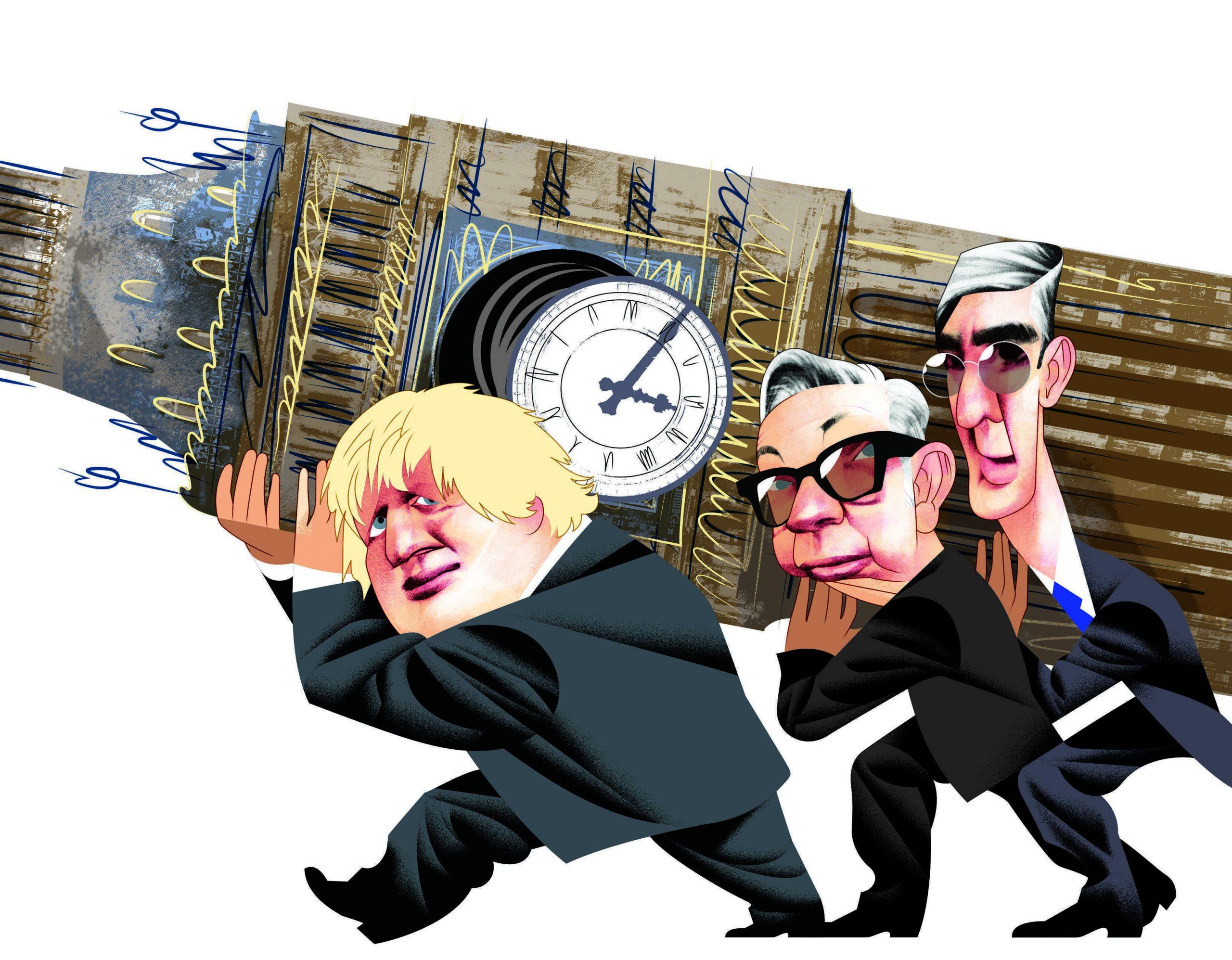
Marx engaged with the opposition's argument—that free trade would lead to higher wages and better working conditions—by exposing the reduction of agricultural duties as a strategy to depress wages. Furthermore, he elaborated on the transformation of the agricultural sector and the inevitable shift towards industrialization, which promised a grim future of increased exploitation for workers under the guise of economic development and prosperity.
Recurring Themes: Free Trade vs. Protectionism
The debate between free trade and protectionism is a cyclical one, which has persisted since Marx's time into the contemporary era. The discussions surrounding the North American Free Trade Agreement (NAFTA) in the 1990s and more recent international trade negotiations continue to demonstrate the periodic relevance of Marx's assessment that fundamentally, free trade advocates for the capital's liberty over that of labor.
The Legacy of Marx's Critique in Modern Economics
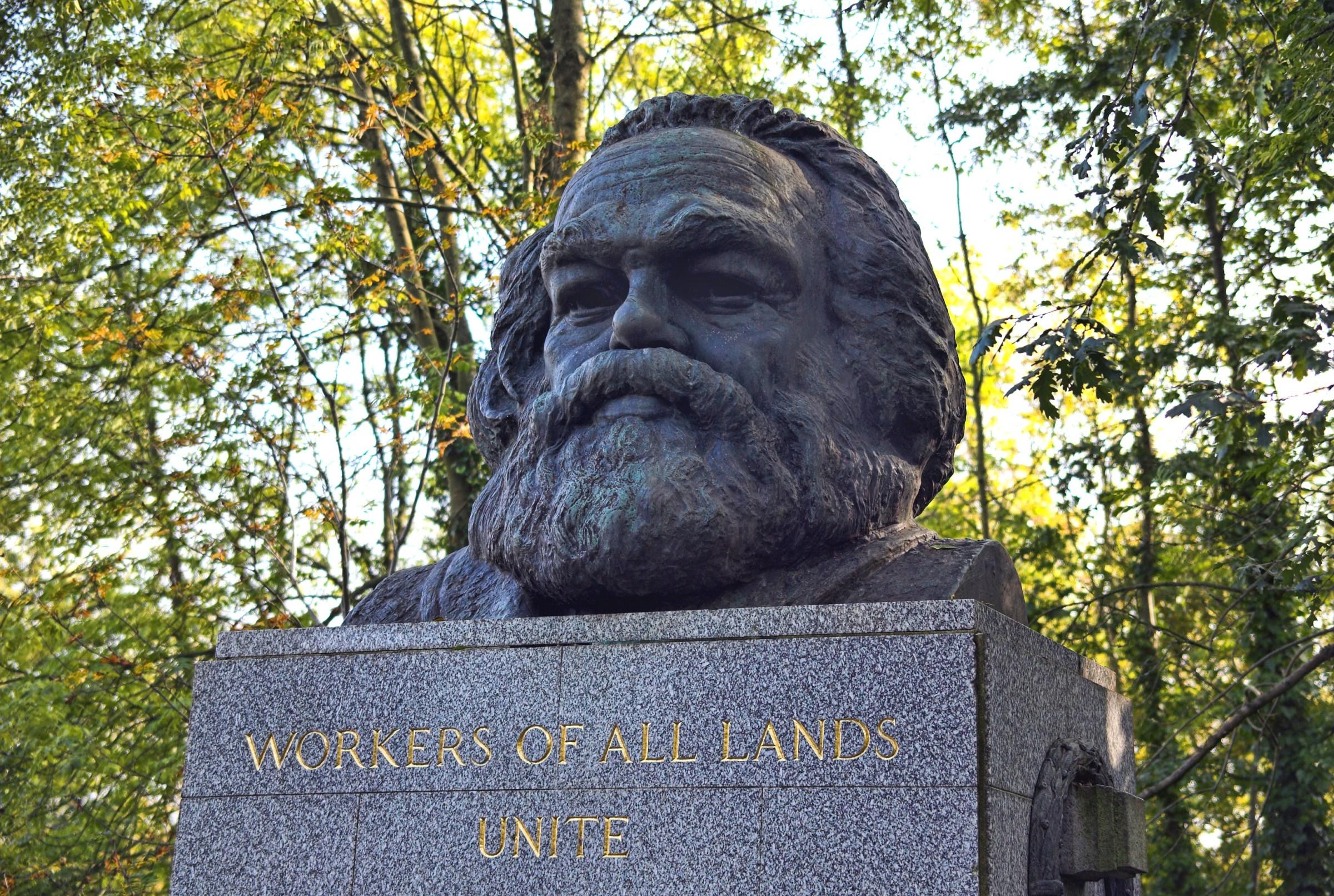
The insights from Marx's address on free trade are still influential in contemporary economic discourses. The translation and re-publication of his speech in English, with Engels's introduction, signify its enduring relevance. Marx's foresight into the ramifications of free trade practices on the working class and the power dynamics within societies remains a critical lens through which to evaluate modern economic policies.
Marx's Enduring Influence and the Travel Sector
The resonance of Marx’s analysis extends into the travel sector, which is an integral part of the global economic tapestry. As travelers traverse different geographies, they witness firsthand the disparities and inequalities that may be influenced by trade policies. The hospitality industry in various locations adapts to these dynamics, often reflecting the broader economic conditions of their respective countries shaped by free trade or protectionism. Tourists staying in hotels may benefit from lower costs, but may also unknowingly contribute to a system of labor exploitation perpetuated by these very market forces Marx critically examined.
Puerto Rico (Gran Canaria)
- Servatur Puerto Azul
- Gloria Palace Amadores Thalasso & Hotel
- Ocean Hill Gran Canaria
- Marina Suites Gran Canaria
- Colina Mar Apartments
- Gloria Palace Royal Hotel & Spa
- Morasol Suites
- Maracaibo Aparthotel
- Babalu Gran Canaria
- Gran Canaria Puerto Rico
Playa del Ingles (Gran Canaria)
- Hd Parque Cristobal Gran Canaria
- Gran Canaria Princess
- Abora Continental By Lopesan Hotels
- Hl Miraflor Suites
- Sol Barbacan
- Labranda Hotel Marieta
- Riu Palace Palmeras
- Playa Del Ingles
San Agustin (Gran Canaria)
- Paradisus Gran Canaria
- Abora Interclub Atlantic
- Don Gregory By Dunas
- Gloria Palace San Agustin
- San Agustin Gran Canaria
Maspalomas (Gran Canaria)
- Salobre Hotel Resort & Serenity
- Club Maspalomas Suites & Spa
- Riu Palace Meloneras
- Vistaflor Bungalows
- Holidays To Maspalomas