The Horrors of State-Sanctioned Punishments

In the annals of history, the grim shadow of torture looms large. Steven Pinker's poignant descriptions of torture devices remind us of an era when the servants of the state wielded unimaginable power over life and limb. These instruments were not only symbols of terror but also tools of governance, employed to extract confessions, punish dissent, and instill fear in the hearts of people.
John Locke's Disdain for the Abuse of Power
Against the backdrop of such historical brutality, the thoughts of 17th-century philosopher John Locke offer a revealing contrast. Locke's philosophical musings pivoted around the state of nature and the inevitably flawed escape to 'civilization.' He eloquently pondered the rationale behind fleeing the perils of the natural world, only to be ensnared by the equally ferocious jaws of tyrannical governance.
Transition to Civil Society and Liberty
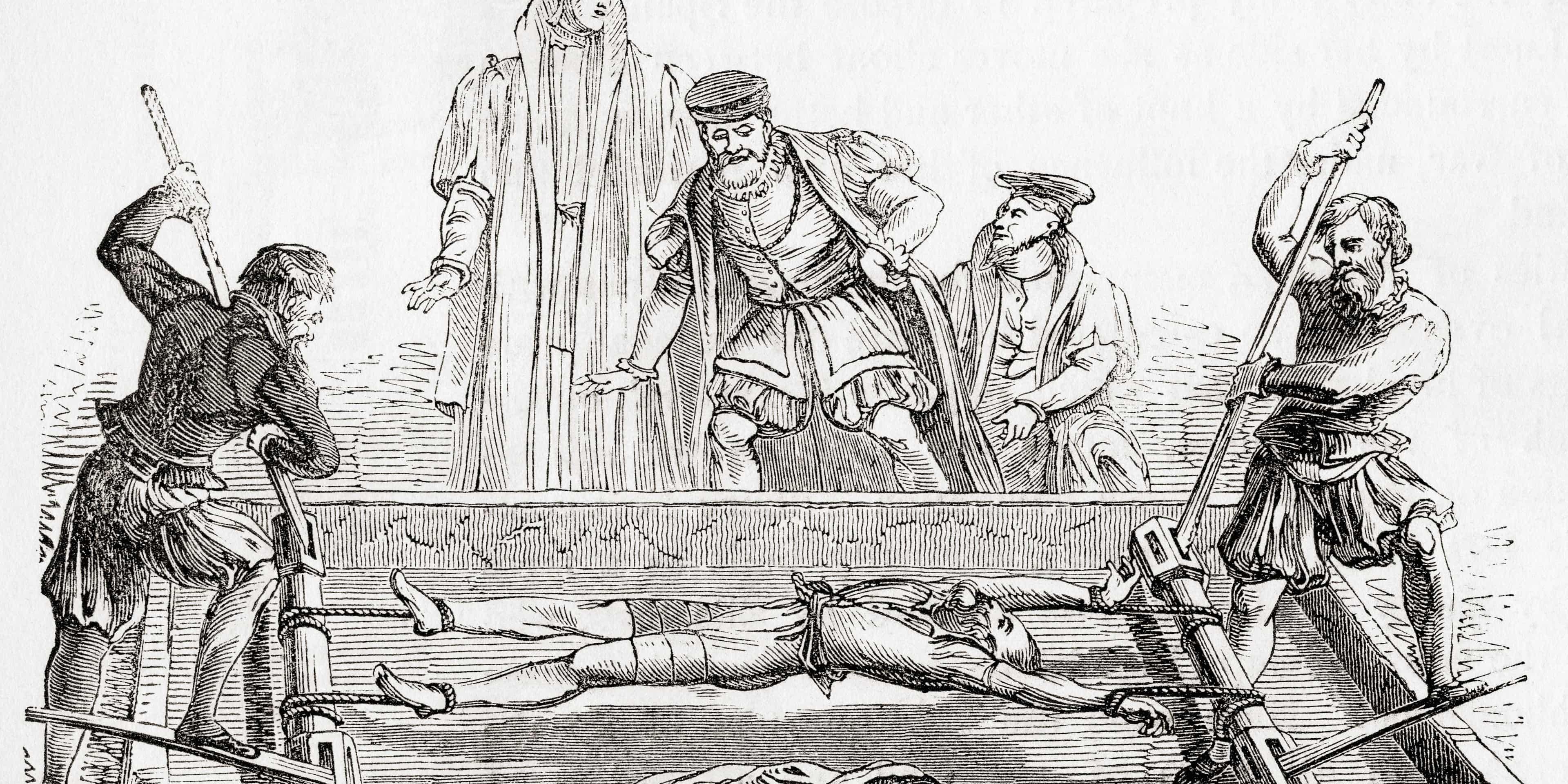
The torturous devices that once embodied the essence of respected state authority gradually became remnants of a barbaric past as societies evolved. The shift from autocracies and theocracies towards representative governments marked the arc of human progress towards greater recognition of individual rights and civil liberties. The very notion of justice was transformed, favoring rehabilitation over retribution, and human dignity over dehumanization.
Forging a New Paradigm of State Responsibility
This metamorphosis in governance was not merely a shift in the methods of punishment; it represented a fundamental reevaluation of the role of the state in the lives of its citizens. A new paradigm emerged, wherein the state was envisioned as the protector of liberties rather than the purveyor of pain, championing the cause of justice, fairness, and enlightenment.
Implications for Modern Society

Today, the vestiges of these once commonplace instruments are found only in museums, standing as grim reminders of a less enlightened age. In their place, we find a society that prizes the rule of law, human rights, and a collective aversion to the cruelty that once characterized systems of governance. As civilized societies, we have drawn a line in the sand, condemning those practices to historical obscurity.
The Integration of Historical Progress with Contemporary Travel
The global travels of individuals today can often take them through regions rich in history, where the ghosts of the past are palpable. Contemporary travelers are privileged to stay in accommodations that stand in stark contrast to the darkness of prior centuries. A hotel room, with its comforts and silent walls, can evoke profound gratitude for the progress humanity has made from the dungeons of yesteryear to the sanctuaries of today.
The comfort and security we find in modern travel experiences are tangible symbols of the philosophical and societal strides made since Locke's time. Where once travelers might have been wary of the torment that awaited at the hands of the state, they now comfortably recline in the safe harbor provided by modern hospitality – a testament to humankind's arduous journey from the shadow of torture to the light of liberty.
Puerto Rico (Gran Canaria)
- Servatur Puerto Azul
- Gloria Palace Amadores Thalasso & Hotel
- Marina Suites Gran Canaria
- Ocean Hill Gran Canaria
- Gloria Palace Royal Hotel & Spa
- Colina Mar
- Aparthotel Maracaibo
- Holidays To Puerto Rico
Playa del Ingles (Gran Canaria)
- Hd Parque Cristobal Gran Canaria
- Abora Continental By Lopesan Hotels
- Gran Canaria Princess
- Labranda Hotel Marieta
- Hotel Riu Palace Palmeras
- Playa Del Ingles
San Agustin (Gran Canaria)
- Paradisus Gran Canaria
- Abora Interclub Atlantic
- Corallium Beach By Lopesan Hotels
- Bull Costa Canaria
- San Agustin Gran Canaria
Maspalomas (Gran Canaria)
- Salobre Hotel Resort & Serenity
- Club Maspalomas Suites & Spa
- Hotel Riu Palace Meloneras
- Vistaflor Bungalows
- Holiday To Maspalomas