The Genesis of NAFTA and its Promise

The North American Free Trade Agreement (NAFTA) has been a significant economic milestone for Mexico since its inception in 1994. Designed to create a trilateral trade bloc in North America, NAFTA aimed to eliminate barriers to trade and investment between the U.S., Canada, and Mexico. Its advent was met with both optimism and skepticism, suggesting profound changes for the region's economic future.
Economic Growth and Industrial Expansion
Since the ratification of NAFTA, Mexico has witnessed a transformation in its industrial landscape, attracting foreign direct investment, especially in the manufacturing sector. The treaty spurred the growth of export-oriented factories known as "maquiladoras," propelling Mexico to become an integral part of the global supply chain, focusing on sectors from automotive to electronics.
Employment and Labor Migration Shifts
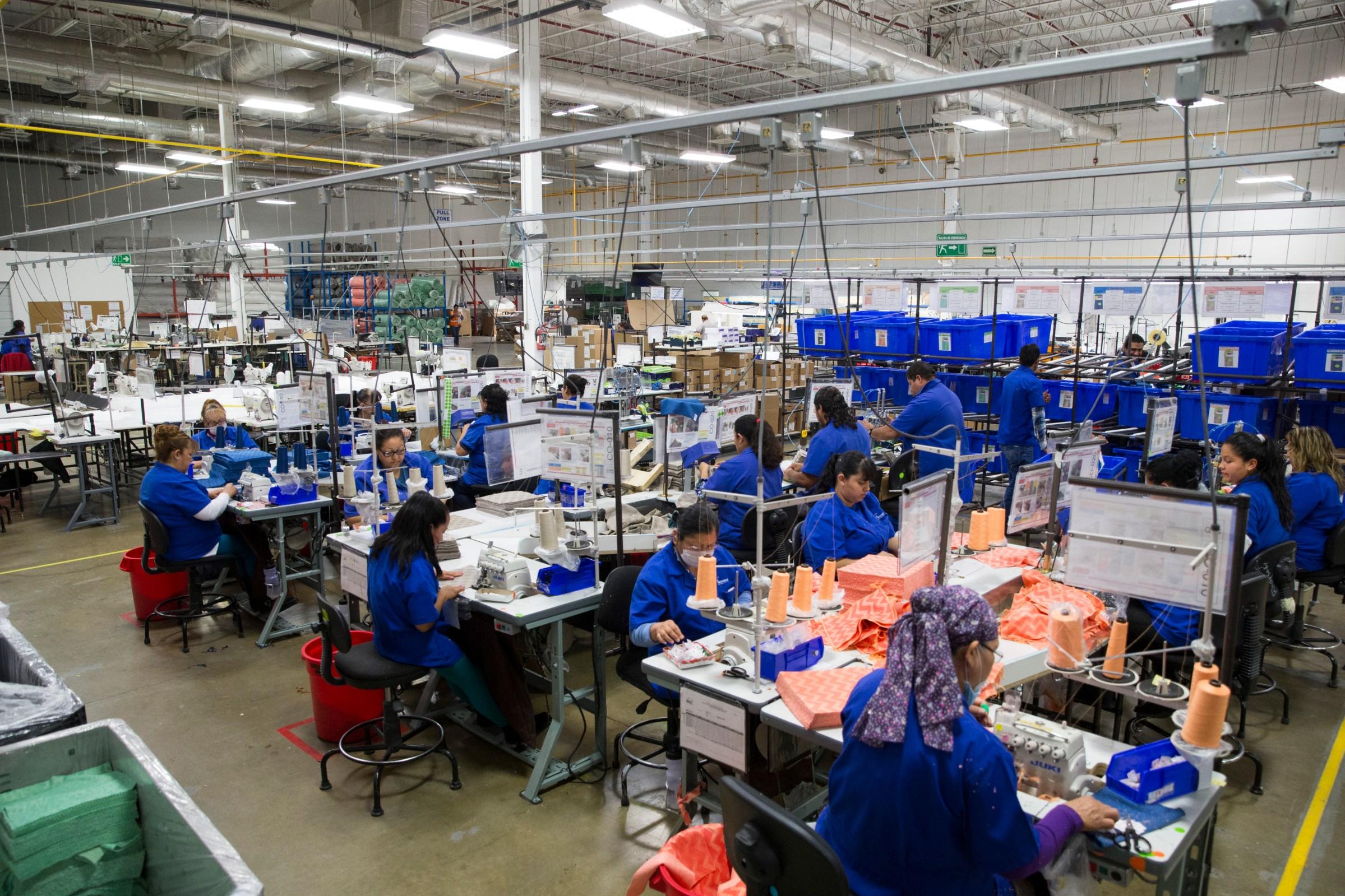
With the expansion of trade and industry, NAFTA has had a mixed impact on employment in Mexico. The surge in manufacturing jobs has been offset by challenges in the agricultural sector, leading to internal labor shifts and calls for labor rights reform. These dynamics have also influenced migration patterns both within Mexico and across its northern border.
Contemporary Challenges and Adjustments
The road to economic integration has not been without bumps. NAFTA has been critiqued for favoring large corporations over small businesses and for inadequately protecting the environment and labor rights. Discontent with these outcomes has prompted the evolution of NAFTA into the United States-Mexico-Canada Agreement (USMCA), aiming to address such challenges and ensure that trade benefits are more evenly distributed among all stakeholders.
Travel and Tourism: A Flourishing Sector

NAFTA's influence extends beyond traditional industries, boosting the travel and tourism sectors as well. Easier cross-border movements have facilitated tourism and business travel. As the Mexican landscapes continue to charm visitors, the hospitality industry has welcomed a surge in hotel developments and a demand for authentic experiences that underpin Mexico's rich cultural heritage.
The Cultural and Social Impact
On a cultural front, NAFTA has catalyzed an exchange of ideas, cuisines, arts, and traditions which has enriched the social fabric of Mexico. This cultural cross-pollination has imbued Mexican society with a broader international perspective and has amplified Mexico's voice on the global stage, simultaneously attracting global interest in its vibrant cultural offerings.
Conclusion
The legacy of NAFTA within Mexico is a tale of transformation with multifaceted outcomes. It has been a catalyst for economic growth and industrial diversification while also bringing forth challenges inherent in trade agreements. As travel becomes intertwined with these economic narratives, visitors to Mexico can indulge in a rich tapestry of experiences. The hospitality scene has a renewed vigor to cater to a diverse audience, illustrating that travel and cultural exchange remain some of the most profound effects of Mexico's engagement with NAFTA.
Puerto Rico (Gran Canaria)
- Servatur Puerto Azul
- Gloria Palace Amadores Thalasso & Hotel
- Ocean Hill Gran Canaria
- Marina Suites Gran Canaria
- Colina Mar Apartments
- Gloria Palace Royal Hotel & Spa
- Morasol Suites
- Maracaibo Aparthotel
- Babalu Gran Canaria
- Gran Canaria Puerto Rico
Playa del Ingles (Gran Canaria)
- Hd Parque Cristobal Gran Canaria
- Gran Canaria Princess
- Abora Continental By Lopesan Hotels
- Hl Miraflor Suites
- Labranda Hotel Marieta
- Riu Palace Palmeras
- Sol Barbacan Gran Canaria
- Playa Del Ingles
San Agustin (Gran Canaria)
- Paradisus Gran Canaria
- Abora Interclub Atlantic
- Don Gregory By Dunas
- Gloria Palace San Agustin
- San Agustin Gran Canaria
Maspalomas (Gran Canaria)
- Salobre Hotel Resort & Serenity
- Club Maspalomas Suites & Spa
- Riu Palace Meloneras
- Vistaflor Bungalows
- Holidays In Maspalomas