The Impetus Behind the Georgist Movement
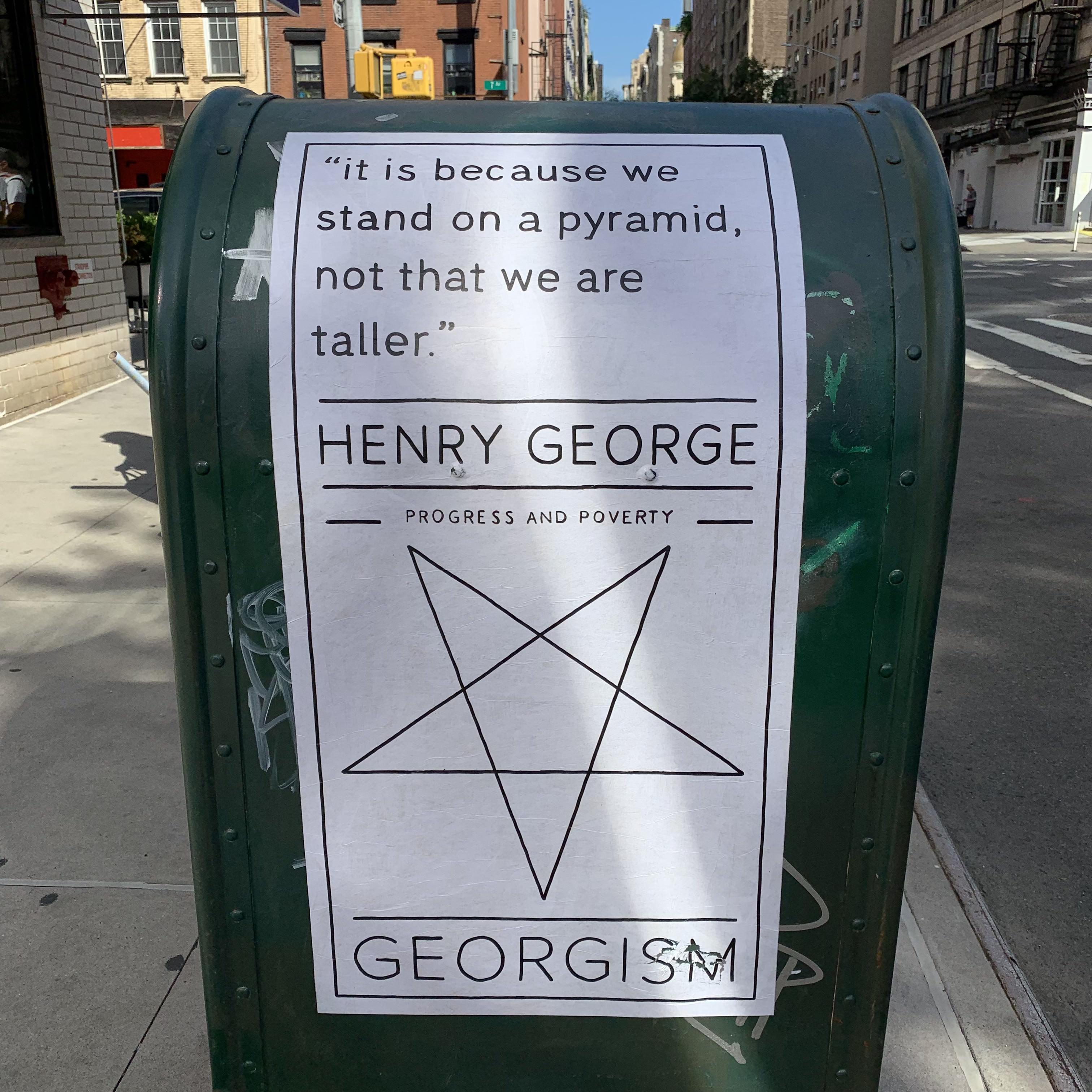
Henry George is a towering figure who managed to galvanize a theory that predates him into a vibrant socio-economic movement. Although the seeds of the Single Tax idea were sown by others, it was George who meticulously cultivated it into the robust philosophy that became known as Georgism. His seminal work, Progress and Poverty, combined with his undeniable charisma and fertile social conditions, gave rise to the Georgist movement. The clarity of his vision on social reform, transcended contemporary ideologies and resonated with a wide variety of reformists, laying the foundational bedrock for the movement's growth.
Henry George's Crusade and the Differentiation of His Followers
Henry George's journey as the harbinger of the Single Tax concept took him across the globe, inciting debate and leaving a lasting impact. The mayoral race of 1886 in New York is noteworthy as it revealed the potential influence of reformist ideologies in mainstream politics. Post-election, his followers underwent a gradual metamorphosis, accumulating devotees from a smorgasbord of philosophies yet eventually necessitating the need to distill their collective identity, one cemented in the core tenets of Georgism.
Consolidation of the Single Tax Movement

In the wake of this differentiation, the encapsulation of George's ideas into the Single Tax Movement came into full swing. The term Single Tax itself was a nomenclature gifted by Thomas Shearman which George adopted to delineate his proposition to levy tax solely on land values. This era saw an unprecedented alignment of businessmen and affluent visionaries with the Georgist cause, a significant pivot from George's earlier alignment with labor movements.
The Zenith of the Movement: A Global Phenomenon
Spanning from 1898 to the advent of the First World War, Georgism experienced a renaissance marked by substantial intellectual endorsement and considerable political activity. Figures of substantial clout like Tom L. Johnson, Joseph Fels, and even elements within President Woodrow Wilson's administration, such as Louis F. Post, advocated for Georgist reforms. Cities like Pittsburgh and Scranton started taxing land at a higher rate than buildings, a practical application of Georgist principles, representing the burgeoning influence of the movement.
The International Reach and the Post-War Decline

Georgism wasn't confined to the United States but found fertile ground globally – from Russia's liberal intelligentsia, swayed by the likes of Tolstoy, to significant legislative efforts in Germany, Denmark, and the belly of the British Empire. Nevertheless, the aftermath of World War I signaled a period of recession for the movement, with dwindling adherents and a stagnated momentum that desperately needed rejuvenation.
Rescue and Revitalization Through Education: The Role of Henry George School
At this juncture, Oscar H. Geiger emerged as a pivotal figure who not only diagnosed the waning influence of Georgism but also instituted a remedy. The establishment of the Henry George School of Social Science in 1932 served as an inflection point, ushering in a new era of growth for the once-fading movement. This educational institution fortified the movement's ranks, perpetuating George’s legacy through steadfast instruction and international outreach. To this day, the Henry George School remains a vital nerve center for the global Georgist endeavor.
Integration of Travel and the Resurgence of Georgism
As the principles of the Georgist movement gain reinvigoration through educational institutions like the Henry George School, there is a natural intersection with travel. As scholars and proponents of Georgist philosophy traverse the globe, providing lectures and engaging in discourse, they become part of an international network that both broadens their perspectives and disseminates George's ideas. What's more, places rich in Georgist history could indeed become compelling destinations for those seeking to connect more deeply with the movement – thereby creating a niche form of meaningful travel. The organic blend of travel and education not only enriches one's understanding of the world but also builds communal bridges, underscoring the universal relevance of George's vision even in today's intricate global societal fabric.
Puerto Rico (Gran Canaria)
- Servatur Puerto Azul
- Gloria Palace Amadores Thalasso & Hotel
- Ocean Hill Gran Canaria
- Marina Suites Gran Canaria
- Colina Mar Apartments
- Gloria Palace Royal Hotel & Spa
- Morasol Suites Gran Canaria
- Gran Canaria Puerto Rico
Playa del Ingles (Gran Canaria)
- Hd Parque Cristobal Gran Canaria
- Gran Canaria Princess
- Abora Continental By Lopesan Hotels
- Hl Miraflor Suites
- Labranda Hotel Marieta
- Riu Palace Palmeras
- Sol Barbacan Gran Canaria
- Neptuno Gran Canaria
- Hotel Green Field
- Playa Del Ingles
San Agustin (Gran Canaria)
- Paradisus Gran Canaria
- Abora Interclub Atlantic
- Don Gregory By Dunas
- Gloria Palace San Agustin
- San Agustin Gran Canaria
Maspalomas (Gran Canaria)
- Salobre Hotel Resort & Serenity
- Club Maspalomas Suites & Spa
- Riu Palace Meloneras
- Vistaflor Bungalows
- Maspalomas Holiday