The Root of Monopolies
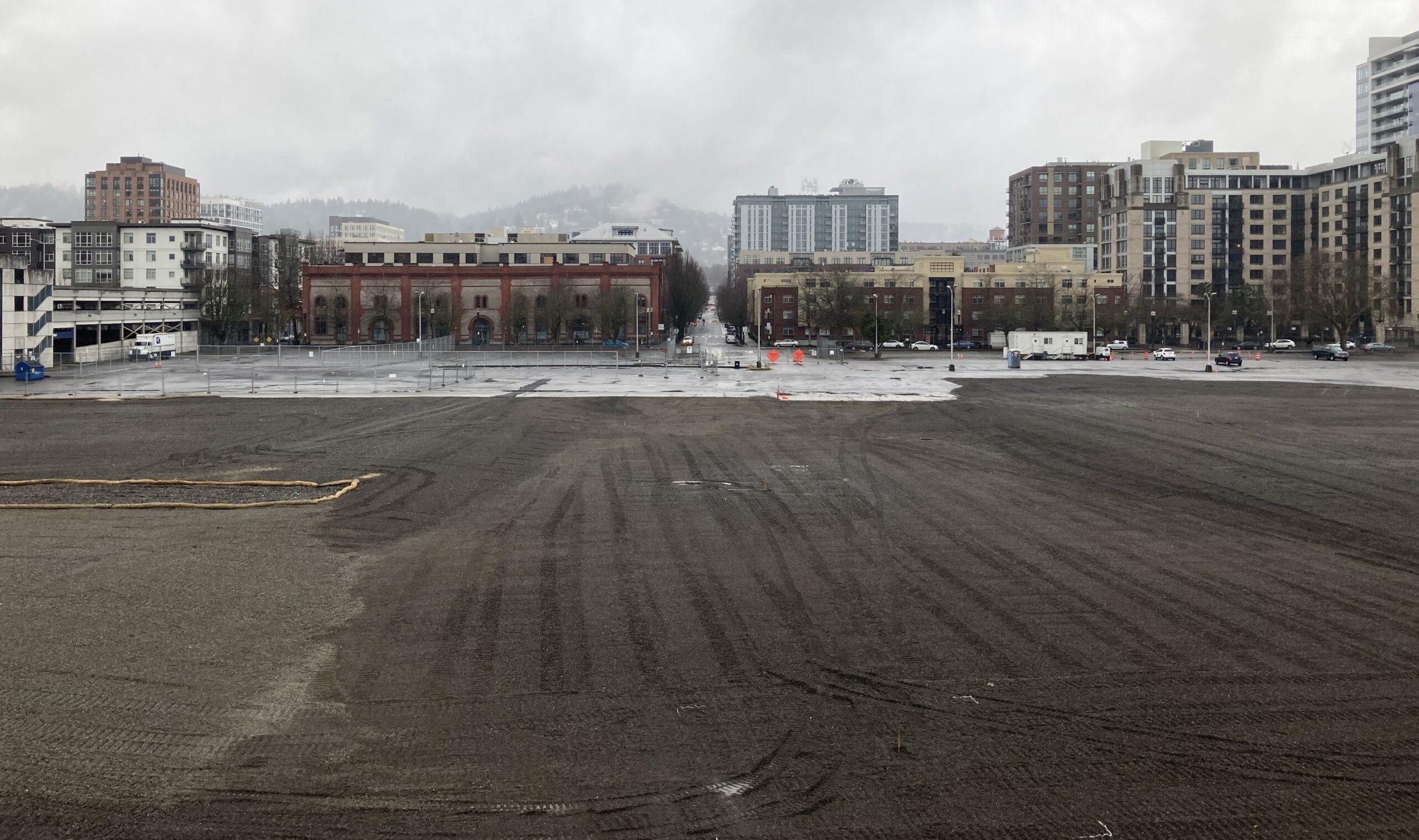
Louis F. Post, an American progressive and an advocate for social reform, highlighted in his speech on July 17, 1909, that land monopoly surpasses all other forms of monopoly. Post argued that it is not only perpetual by nature but also acts as the progenitor of myriad monopolistic practices that stifle societal advancement.
Misleading and False Analogies
Post criticized the comparisons made between unearned increments in land and the legitimate profits earned by professionals like doctors and lawyers. He pointed out the striking dissimilarities between land monopoly and other forms of property, emphasizing that land sits at the foundation of all wealth and its limited extent and geographic immobility present unique challenges.
Rewards for Service vs. Enrichment Without Service

Contrasting the value created by service-based professions with the idle gains of the land monopolist, Post depicted a scenario where the monopolist benefits from the societal and municipal improvements around his land without contributing anything in return, fostering an environment where the enrichment of a few comes at the expense of the many.
The Implications for Industry
The stranglehold of land monopoly on industry and enterprise does not escape Post’s scrutiny. He illustrated how land values inflate and impede urban planning, industrial expansion, and the development of public infrastructure, underscoring the detrimental effects on both commerce and community.
The Error of Public Tollways

Drawing analogies to a public tollway system, Post showed how societal improvements can inadvertently lead to increased land values, ultimately enriching landlords at the expense of a community's labor. This enrichment occurs irrespective of the landlords’ contribution, effectively nullifying any altruistic or public-spirited ventures.
Neutralizing Philanthropy and the Way Forward
Post pointed out that even philanthropic acts can indirectly lead to higher rents, funneling the benefit back to the landowners. Advocating for reform, he urged a restructuring of law so that those who benefit from communal efforts are those who contribute to them, rather than those who passively profit from the status quo.
Travel and Land Monopoly Dynamics
The pervasive impact of land monopoly extends into the contemporary spheres of travel and hospitality. As travelers seek destinations and experiences, the monopoly on land can influence accommodation prices, availability, and local economies. Reforming land laws not only incentivizes fairer prices and more accessible lodging options for tourists but also encourages sustainable development practices that can transform travel into a force for collective economic growth and cultural exchange.
Puerto Rico (Gran Canaria)
- Servatur Puerto Azul
- Gloria Palace Amadores Thalasso & Hotel
- Ocean Hill Gran Canaria
- Marina Suites Gran Canaria
- Colina Mar Apartments
- Gloria Palace Royal Hotel & Spa
- Morasol Suites
- Maracaibo Aparthotel
- Babalu Gran Canaria
- Gran Canaria Puerto Rico
Playa del Ingles (Gran Canaria)
- Hd Parque Cristobal Gran Canaria
- Gran Canaria Princess
- Abora Continental By Lopesan Hotels
- Hl Miraflor Suites
- Labranda Hotel Marieta
- Riu Palace Palmeras
- Sol Barbacan Gran Canaria
- Playa Del Ingles
San Agustin (Gran Canaria)
- Paradisus Gran Canaria
- Abora Interclub Atlantic
- Don Gregory By Dunas
- Gloria Palace San Agustin
- San Agustin Gran Canaria
Maspalomas (Gran Canaria)
- Salobre Hotel Resort & Serenity
- Club Maspalomas Suites & Spa
- Riu Palace Meloneras
- Vistaflor Bungalows
- Holidays In Maspalomas