The Legacy of Carl Sagan, Scientist and Visionary

Born in 1934 in New York, Carl Sagan emerged as a pivotal figure in modern science, with contributions that spanned from the origins of life to the depths of outer space. His impressive educational journey culminated in a Ph.D. in astronomy and astrophysics, followed by a storied career at prestigious institutions such as Harvard and Cornell University. Sagan's exploration of Mars and recognition from NASA underscore his status as a preeminent scientist.
NASA's Recognition and Sagan's Prolific Writing
Following the successful Mars Mariner expedition, Sagan received the NASA medal for exceptional scientific achievement in 1972, solidifying his legacy as an influential astronomer. His role as editor of Icarus and numerous award-winning books, including the Pulitzer Prize-winning Dragons of Eden, showcase his immense contributions to science literature and public understanding of complex topics in astronomy and beyond.
The Disturbing Concept of Nuclear Winter
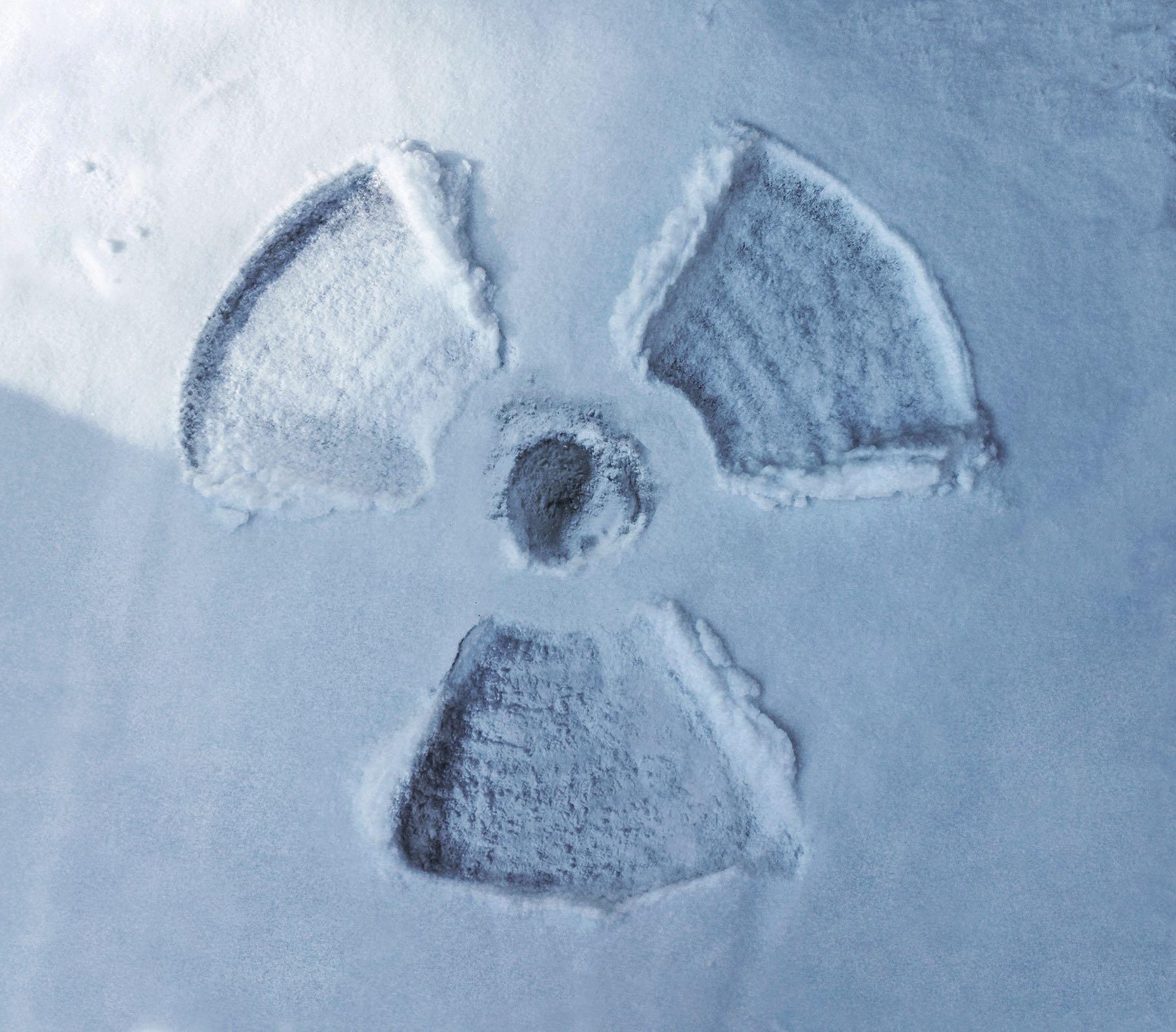
In his profound work, "The Nuclear Winter," Sagan introduced a chilling scenario -- the aftermath of a nuclear conflict and its extensive, possibly irreversible, damage to Earth's biosphere. He painted a stark picture of the immediate and long-term devastation that would ensue from such a war, emphasizing the overwhelming stockpile of nuclear weapons far exceeding any strategic necessity.
The Potential of a Nuclear Catastrophe
The dark vision put forward by Sagan describes the physical destruction, loss of life, and the onset of a nuclear-induced winter following detonations far less than the global arsenal's full might. His detailed analysis, alongside other experts, revealed a grim outcome where billions could perish and civilization as we know it could collapse.
The Climatic Aftermath of Nuclear Explosions
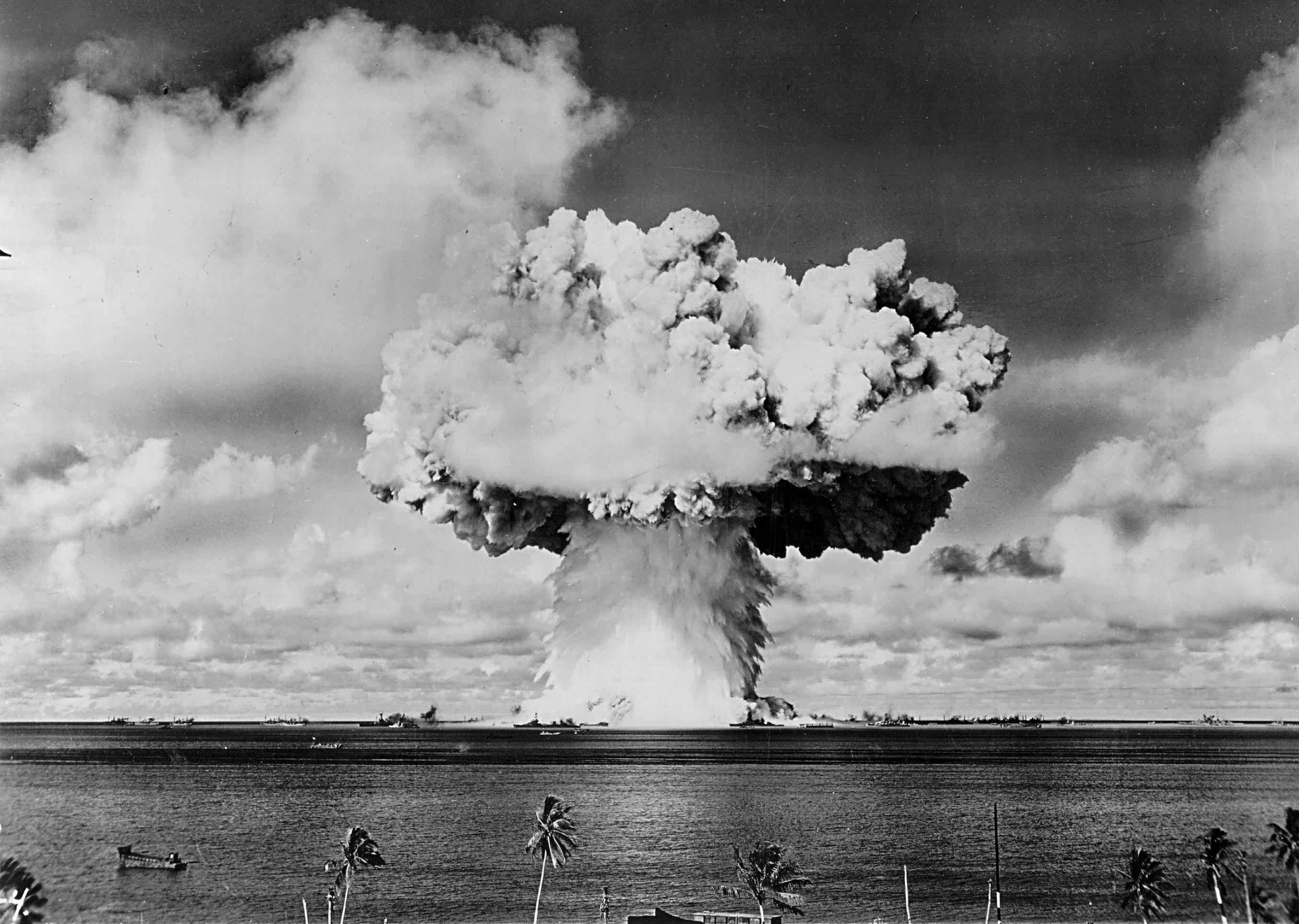
Bringing to bear his expertise in planetary atmospheres, Sagan, and his colleagues extensively researched the climatic effects of nuclear explosions. This group, known colloquially as the "TTAPS," postulated that even minor nuclear conflicts could unleash a catastrophic "Nuclear Winter," decimating global agriculture, infrastructure, and plunging the world into a dark, cold era with no modern precedent.
The Global Reach of Nuclear Winter
As Sagan alarmingly pointed out, the repercussions of nuclear war would extend beyond the immediate blast zones and the Northern Hemisphere. Through atmospheric changes, the calamitous effects would also afflict the Southern Hemisphere, dispelling any illusion of a safe haven from global nuclear conflict.
Implications for the Future
Sagan warned that the long-term survival of humanity could be at risk due to the unanticipated consequences of nuclear warfare, emphasizing a need for immediate action to prevent such a disaster. The catastrophic loss of biodiversity and the potential extinction of the human species outlined in his work served as a rally cry for disarmament and peace.
Travel and the Ever-Present Shadow of Nuclear War
The concept of a nuclear winter places an unprecedented burden on the future of global travel. The freedom to explore the world and indulge in diverse cultures could instantly become a relic of the past in the face of such destructive potential. The hospitality industry, epitomized by hotels that serve as temporary homes for travelers, stands in stark contrast to the desolation that a nuclear conflict would bring. It underlines the importance of preserving our planet, not just for the sake of exploration but for the continued existence of the places we dream of visiting.
Puerto Rico (Gran Canaria)
- Servatur Puerto Azul
- Gloria Palace Amadores Thalasso & Hotel
- Ocean Hill Gran Canaria
- Marina Suites Gran Canaria
- Colina Mar Apartments
- Gloria Palace Royal Hotel & Spa
- Morasol Suites
- Maracaibo Aparthotel
- Babalu Gran Canaria
- Gran Canaria Puerto Rico
Playa del Ingles (Gran Canaria)
- Hd Parque Cristobal Gran Canaria
- Gran Canaria Princess
- Abora Continental By Lopesan Hotels
- Hl Miraflor Suites
- Sol Barbacan
- Labranda Hotel Marieta
- Riu Palace Palmeras
- Playa Del Ingles
San Agustin (Gran Canaria)
- Paradisus Gran Canaria
- Abora Interclub Atlantic
- Don Gregory By Dunas
- Gloria Palace San Agustin
- San Agustin Gran Canaria
Maspalomas (Gran Canaria)
- Salobre Hotel Resort & Serenity
- Club Maspalomas Suites & Spa
- Riu Palace Meloneras
- Vistaflor Bungalows
- Holidays To Maspalomas