In the realm of societal development and urban planning, the responsibilities of landowners to their communities and governments remain a poignant topic. It beckons us to revisit the insightful commentary of an influential figure like Sun Yat-Sen and his perspectives on land ownership.
The Legacy of Land Ownership
Land ownership carries with it a weighty historical background, often characterized by conquests, laws, and societal shifts. Typically, the ownership of vast land parcels fell into the hands of a privileged few who, through force or legal maneuvering, claimed dominion over territories.
Understanding the Historical Context
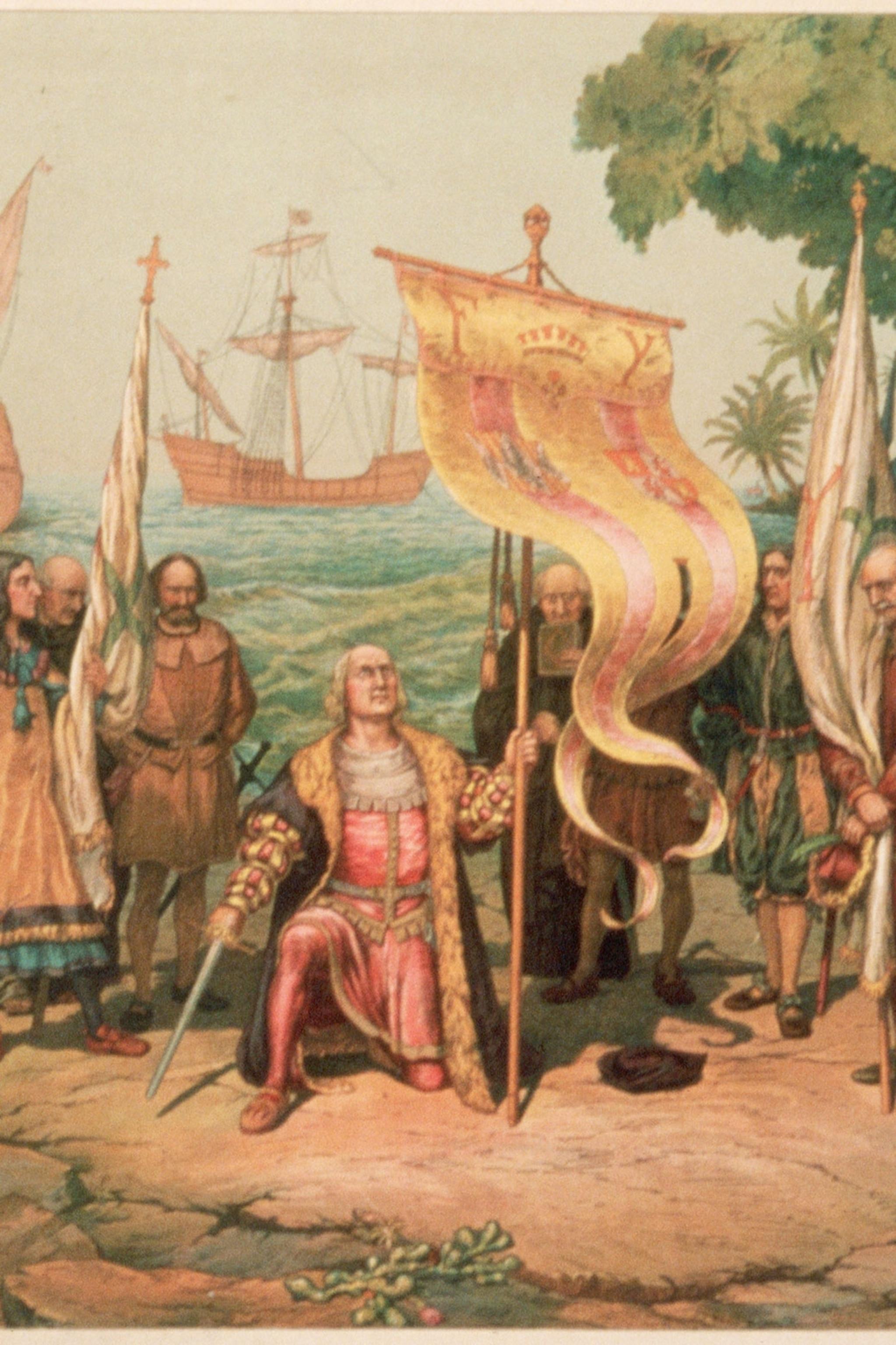
From the enclosure of common lands between the 1600s and 1850s to contemporary urban development, the narrative often revolves around the powerful appropriating land at the expense of the larger populace. The few owning the majority of land remains a legacy of past inequities and forceful acquisition.
The Role of the Modern Landowner
The question then arises: what should modern landowners owe to their government and, by extension, to society? The debate is not new, as historical and political figures like Sun Yat-Sen have contributed to this discourse with their ideologies and reforms.
Private Property versus Public Good
The tension between the rights of private property owners and the needs of the public has always been a contentious issue. Concepts of social welfare and community benefit often clash with the traditional privileges afforded to landowners.
Sun Yat-Sen's Vision for Land Reform
Sun Yat-Sen, revered as the founding father of the Republic of China, envisioned land reform as a cornerstone of his political ideology. His insights carry weight in contemporary discussions on land redistribution, public access, and urban planning.
The Social Function of Ownership
Allocation of Land Use
In a society that values both private enterprise and communal wellbeing, the function of a landowner extends beyond mere possession. It involves the stewardship of land that benefits the broader community, whether through responsible farming or thoughtful urban development.
Land Ownership and Social Equity
The proposition that landowners owe something to the government and their fellow citizens is grounded in the idea of social equity. This entails not merely a financial obligation but a moral one to contribute to the common good.
Urban Planning: The Intersection of Ownership and Community
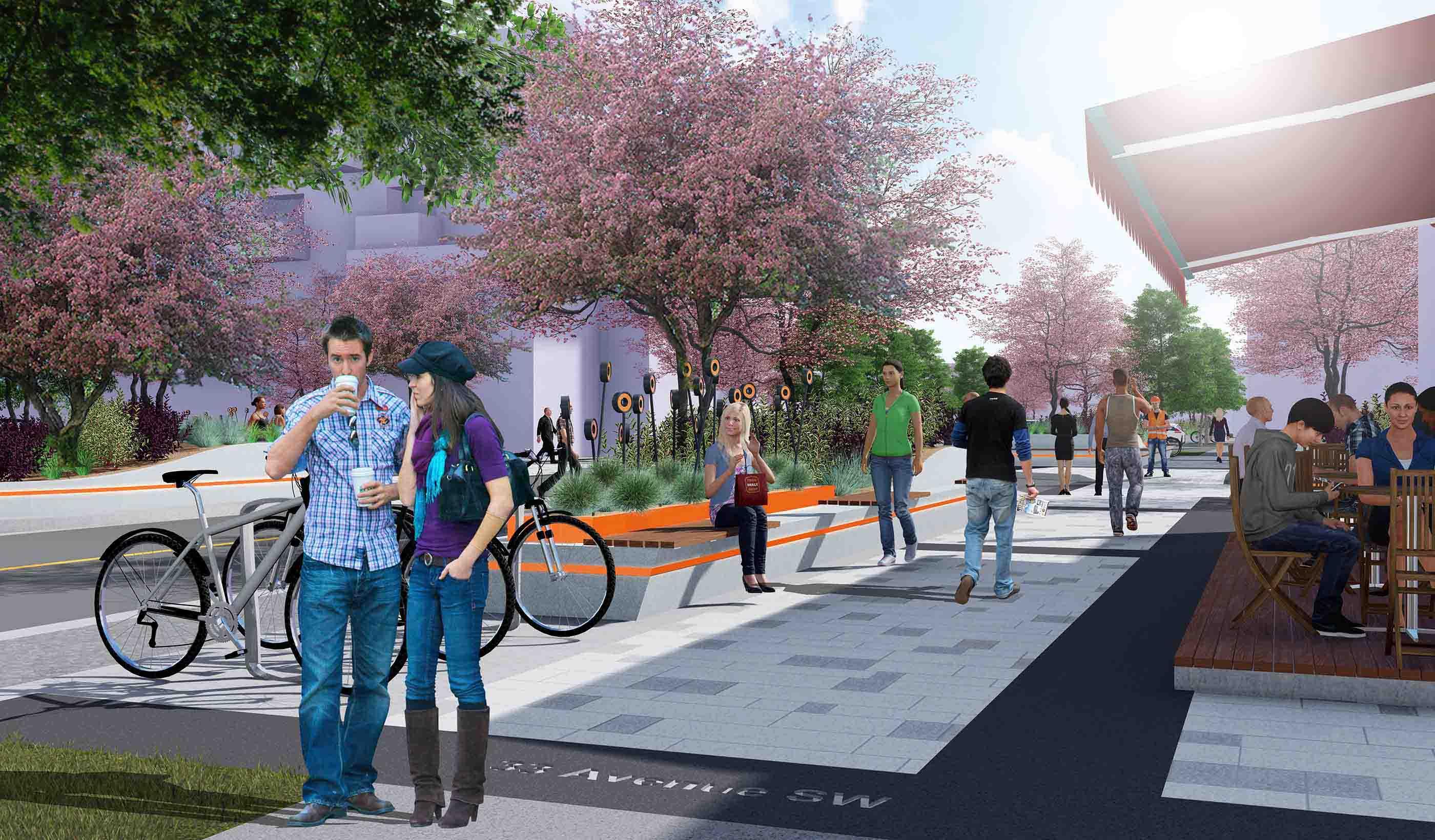
Urban planning is one platform where the principles of land ownership and social responsibility converge. Here, the rights of landowners are balanced against the greater good of the community, particularly in ensuring access to green spaces and affordable housing.
Towards Progressive Urban Spaces
The creation of inclusive urban spaces that promote wellbeing and accessibility for all is an example of progressive urban planning, one that recognizes the integral role of landowners in shaping society.
Travel and the Evolution of Urban Landscapes
The way we travel and experience the world is intrinsically linked to land ownership and urban planning. Thoughtfully designed cities offer a wealth of cultural and recreational opportunities for both locals and travelers alike, contributing to the richness of our travel experiences.
Embracing the Cultural Fabric of Cities
As we traverse various cities, engaging with their unique cultural fabric, we also witness the outcomes of their land ownership policies. From public parks to heritage sites, these spaces enrich our travel narratives and underline the importance of wise land stewardship.
Concluding Thoughts: A Vision for the Future
The synergy between land ownership, societal contribution, and government oversight is a dynamic thread that weaves through the past, present, and future. As we consider the interconnectedness of these concepts, especially within the context of travel and hospitality, we see the enduring relevance of Sun Yat-Sen's vision. The beautiful public spaces that draw in tourists and locals alike are a testament to the positive impact of land reform and responsible ownership on our global community.
Puerto Rico (Gran Canaria)
- Servatur Puerto Azul
- Gloria Palace Amadores Thalasso & Hotel
- Ocean Hill Gran Canaria
- Marina Suites Gran Canaria
- Colina Mar Apartments
- Gloria Palace Royal Hotel & Spa
- Morasol Suites Gran Canaria
- Maracaibo Puerto Rico
- Gran Canaria Puerto Rico
Playa del Ingles (Gran Canaria)
- Hd Parque Cristobal Gran Canaria
- Gran Canaria Princess
- Abora Continental By Lopesan Hotels
- Hl Miraflor Suites
- Labranda Hotel Marieta
- Sol Barbacan Gran Canaria
- Green Field Gran Canaria
- Hotel Neptuno
- Playa Del Ingles
San Agustin (Gran Canaria)
- Paradisus Gran Canaria
- Abora Interclub Atlantic
- Don Gregory By Dunas
- Gloria Palace San Agustin
- San Agustin Gran Canaria
Maspalomas (Gran Canaria)
- Salobre Hotel Resort & Serenity
- Club Maspalomas Suites & Spa
- Riu Palace Meloneras
- Vistaflor Bungalows
- Maspalomas Gran Canaria Holidays